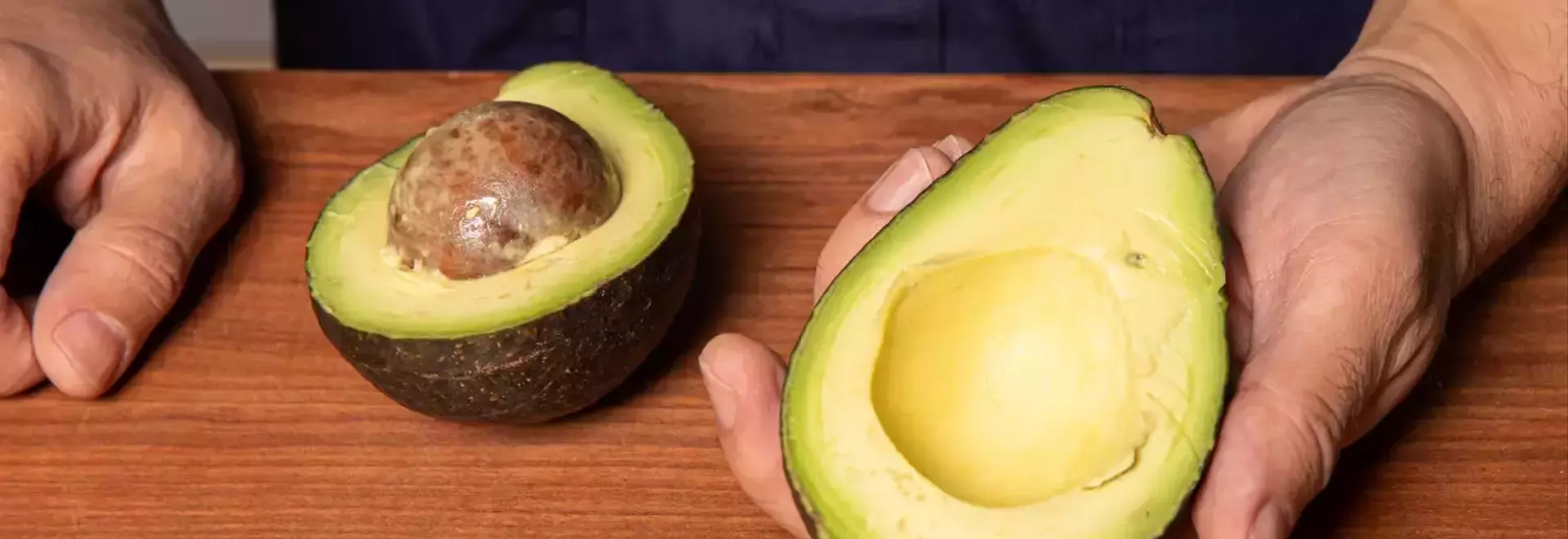
The Essential Guide to Avocado Ripening and Storage
Unlock the Secrets of Avocado Perfection: Ripening, Storing, and Enjoying!
Understanding the Avocado's Unique Ripening Journey
Unlike many other fruits that ripen on the branch, avocados only begin their maturation process after being harvested. This unique characteristic creates a significant challenge for commercial growers and home cooks alike. The avocado industry employs various techniques, such as temperature control, oxygen reduction, and special packaging, to prolong the fruit's unripe state, ensuring it reaches consumers in optimal condition despite long shipping distances.
Navigating the Avocado Ripeness Dilemma for Home Cooks
For those at home, the goal is often the opposite: to accelerate ripening so these versatile fruits can be enjoyed promptly. This often leads to a frustrating timing issue, as the window for a perfectly ripe avocado—creamy, tender, and free of discoloration—is notoriously brief. This narrow window can make planning meals or events around avocados a daunting task, as one constantly worries if the fruit will be ready in time or if it will spoil too quickly.
Selecting Premium Avocados at the Market
Many shoppers have experienced the disappointment of slicing into an avocado that appears perfect externally, only to find it marred by unsightly brown streaks or fibrous strands. These internal imperfections are often a result of uneven enzymatic activity during the fruit's development, frequently exacerbated by extreme weather conditions or other environmental factors during the growing season. For varieties like Hass, the likelihood of encountering such issues tends to increase during specific months, such as December to February, coinciding with popular events like the Super Bowl.
Decoding Avocado Ripeness: Beyond Skin Color
While the skin's color can change as an avocado ripens, it's not a foolproof indicator due to variations across different avocado types and individual fruits. A more reliable method is the gentle touch test: lightly press the stem end of the avocado. A perfectly ripe avocado will yield slightly to pressure, indicating a tender, ready-to-eat texture. If it's too firm, it needs more time; if it's overly soft or mushy, it has likely passed its prime.
Accelerating Avocado Ripening with Ethylene Gas
The key to ripening avocados, and many other fruits, lies in ethylene gas, a natural plant hormone. This gas, produced by the fruit itself, encourages synchronous ripening. Higher concentrations of ethylene lead to faster maturation. This is why placing unripe avocados (or bananas, which are also high ethylene producers) in a brown paper bag is an effective strategy; the bag traps the ethylene, speeding up the process. On its own, an unripe avocado typically takes three to five days to ripen in a paper bag at room temperature.
Swift Ripening Strategies: The Banana Boost
For those in a hurry, introducing a banana to the paper bag can significantly shorten the ripening time. Bananas are excellent sources of ethylene, and their presence can reduce the ripening period for avocados from three to five days to just two to three days. This simple trick provides home cooks with greater control over when their avocados will be perfectly ripe. By staggering purchases and employing different ripening methods (open air, paper bag, paper bag with banana), one can ensure a steady supply of ripe avocados over several days.
Debunking the Microwave Ripening Myth
Despite viral internet claims, microwaving an avocado does not ripen it; rather, it cooks it. While both processes involve softening the fruit's flesh due to cell wall breakdown, the resulting texture and flavor are vastly different. A properly ripened avocado develops a creamy, buttery consistency and rich flavor. In contrast, a microwaved avocado often becomes slick, inconsistently mushy, and develops an unpleasant, almost savory flavor reminiscent of re-warmed chicken, making it unappetizing despite its softened texture.
Optimizing Storage for Ripe Avocados
Once an avocado reaches peak ripeness, its shelf life at room temperature is typically limited to about two days before browning begins. Refrigeration can extend this period to approximately five days, although prolonged cold exposure can lead to chilling damage, causing internal discoloration. For optimal freshness, it's recommended to ripen avocados at room temperature in a paper bag and then transfer them to the refrigerator as soon as they soften. This method allows for a perfectly ripe avocado for up to a week.
Combating Browning in Cut Avocados
Oxygen is the primary culprit behind avocado browning. While plastic wrap can offer some protection for cut avocado halves, it is not completely airtight, and browning can occur within eight hours. Traditional methods like rubbing with oil and placing face down on an oiled plate are effective only for perfectly smooth halves. A more versatile short-term solution is to submerge unused avocado pieces in water and refrigerate them. However, this method has its limitations, as ripe avocado can become mushy if left in water for too long. For mashed avocado dishes like guacamole, pressing a double layer of plastic wrap directly onto the surface minimizes air exposure, effectively delaying browning for a few hours, though eventual discoloration is inevitabl
