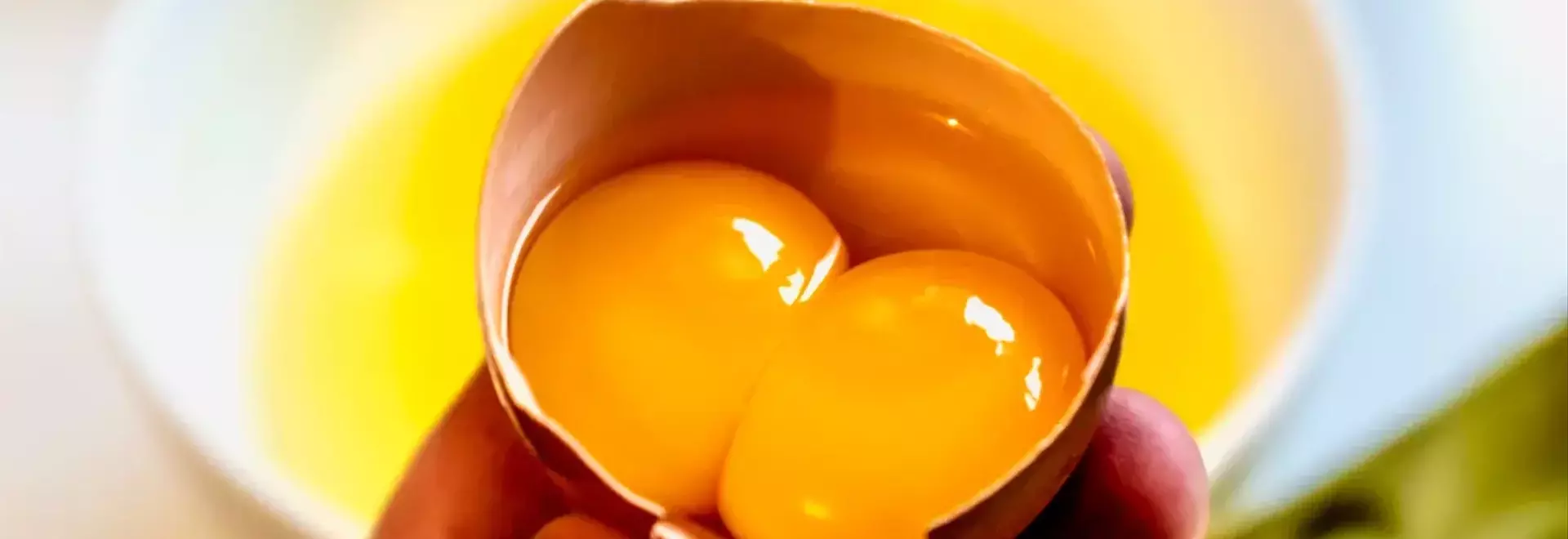
The Enigmatic World of Double-Yolked Eggs
Discover the Wonder of Nature's Dual Delight: Double Yolked Eggs
The Genesis of Double Yolks: A Biological Marvel
Double-yolked eggs are a captivating outcome of a hen's reproductive system. They occur when a hen releases two egg yolks in quick succession. These twin yolks then embark on a shared journey through the oviduct, where they are collectively enveloped within a single shell. This natural variation in egg production is often observed in hens at the beginning or end of their egg-laying careers, as their reproductive cycles tend to be less regular. This intriguing biological process highlights the nuances of avian ovulation.
The Formation Process: A Closer Look at Oviduct Dynamics
The creation of a double-yolked egg mirrors the standard egg-laying cycle, with an interesting twist. Typically, after laying an egg, a hen releases a new yolk from her ovary. This yolk travels through the oviduct, a specialized canal responsible for adding the albumen (egg white) and shell material. In instances of double-yolk formation, two yolks are released in rapid succession. They navigate the oviduct together, eventually becoming encased within one shell. This simultaneous release and subsequent packaging are what result in the unique double-yolked egg, a testament to the efficient, albeit sometimes unpredictable, nature of a hen's egg-making process.
Culinary Applications and Considerations for Double-Yolked Eggs
Upon discovering a double-yolked egg, culinary possibilities abound. These eggs are perfectly safe and can be incorporated into dishes like scrambled eggs or omelets with no special adjustments, adding a richer, more vibrant color to your meal. They are particularly striking when hard-boiled, showcasing their unique double interior. However, when it comes to baking, a slight adjustment is recommended. A double-yolked egg typically contains a higher proportion of yolk to white compared to two individual eggs, which can alter the fat-to-sugar balance in recipes. For precision baking, especially in delicate desserts like lemon curd or chocolate pot de crèmes, it's wise to crack eggs into a separate bowl first. If a double yolk is found, the yolk and white can be separated and measured, allowing for the addition of extra egg white to achieve the desired consistency and texture for your baked goods.
Sourcing Double Yolks: From Commercial Farms to Local Markets
While some consumers actively seek out double-yolked eggs, specialized companies like Sauder's Eggs offer "Double Yolkers" cartons, identified through a process of egg candling (shining a light through the shell). Beyond these dedicated products, double-yolked eggs can also be found in conventional settings. Larger eggs, such as jumbo or super jumbo sizes from producers like Pete & Gerry's, are more likely to contain double yolks, as they are typically laid by mature hens. Furthermore, eggs purchased from small-scale farmers markets may also frequently feature double yolks. This is because these smaller operations often do not employ the same rigorous candling processes as large commercial facilities, where double-yolked eggs are usually sorted out for quality control. Discovering a double-yolked egg, whether through specific purchase or by chance, is often seen as a delightful bonus, transforming a simple ingredient into an exciting culinary find.
