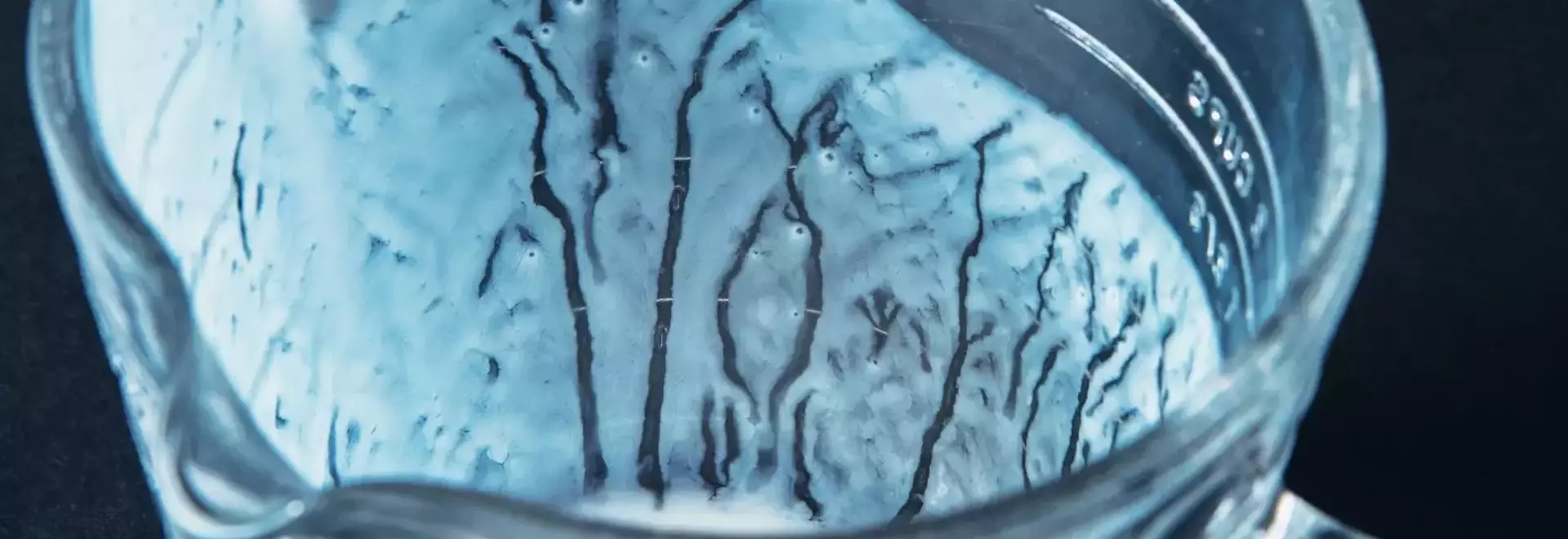
The Enduring Power of Buttermilk: A Culinary Essential
Buttermilk, a culinary chameleon with a rich history, has transitioned from a humble dairy byproduct to an indispensable ingredient in kitchens worldwide. Its unique tangy profile and transformative properties make it invaluable for a diverse range of dishes, from light and fluffy baked goods to tender, flavorful savory meals. Understanding the nuances of different buttermilk varieties and their specific applications is key to unlocking its full potential and achieving superior culinary results. This guide explores the fascinating journey of buttermilk, its production, optimal uses, and practical tips for home cooks and professional chefs alike.
Buttermilk's journey began centuries ago as the liquid left behind after churning butter. This traditional form was thin and fermented naturally due to indigenous bacteria. However, with advancements in science and technology, modern buttermilk production shifted towards controlled fermentation, leading to the cultured buttermilk commonly found today. This evolution, influenced by scientific discoveries in the early 20th century highlighting the health benefits of fermented dairy, propelled buttermilk into mainstream popularity. Today, commercial buttermilk is typically made by introducing specific lactic acid-producing bacteria to cow's milk, resulting in its characteristic tang, increased acidity, and thicker consistency. The fat content of the milk used can significantly impact the final product's texture, with whole-fat buttermilk offering a creamier mouthfeel compared to its low-fat counterparts.
The Culinary Versatility of Buttermilk
Buttermilk's distinct properties make it a prized ingredient in both baking and savory cooking. In baking, its acidity plays a crucial role in activating alkaline leavening agents like baking soda, producing carbon dioxide that helps cakes, pancakes, and biscuits rise beautifully and achieve a tender crumb. The choice of buttermilk—specifically, cultured buttermilk made from non-homogenized, additive-free whole milk—is emphasized by culinary experts for its superior flavor and performance, contrasting with lower-fat or additive-laden varieties that can compromise texture and taste. This careful selection ensures that the buttermilk contributes not just to the leavening process but also to the rich, authentic flavor of the final product.
Beyond its leavening capabilities, buttermilk acts as a tenderizer and flavor enhancer in savory applications. Its lactic acid gently breaks down proteins in meats, such as chicken and steak, leading to incredibly tender and juicy results, without making the meat mushy. This makes buttermilk an ideal marinade for dishes like fried chicken or country-fried steak. Additionally, it lends a creamy texture and tangy depth to mashed potatoes, salad dressings like ranch, and baked goods such as cornbread. The versatility of buttermilk extends to being enjoyed as a refreshing beverage in some regions, or even poured over toasted cornbread, showcasing its wide appeal and adaptability in various culinary traditions. For those seeking alternatives, options like kefir or thinned yogurt can serve as substitutes, though they may not fully replicate buttermilk's unique characteristics. Buttermilk powder offers a shelf-stable solution for adding tangy flavor, and fresh buttermilk can be frozen to extend its usability, maintaining its effectiveness in recipes even after thawing.
Selecting and Storing Buttermilk for Optimal Results
For culinary enthusiasts, discerning the quality of buttermilk is paramount, especially when baking. Experts advocate for cultured buttermilk derived from whole milk, free from homogenizing agents and unnecessary additives. This type of buttermilk, often pasteurized at lower temperatures, offers a richer mouthfeel and a purer flavor that elevates the taste and texture of baked goods. The presence of additives or lower fat content in commercial varieties can alter the chemical reactions essential for proper leavening, affecting the spread and browning of items like cakes and biscuits. Therefore, checking labels for milk fat content and ingredient lists is crucial to ensure the buttermilk will perform as expected in your recipes, delivering the desired tenderness and rich flavor.
Understanding how buttermilk is made illuminates why specific types are preferred. Modern buttermilk is produced by fermenting cow's milk with lactic acid bacteria, which not only gives it its characteristic tang and thicker consistency but also makes it more acidic. This acidity is key to its role in activating baking soda and tenderizing meats. While alternatives like kefir, thinned yogurt, or even milk mixed with lemon juice or vinegar can mimic some of buttermilk's properties, professionals often note that these lack the full flavor, thickness, and baking efficacy of true cultured buttermilk. To ensure a steady supply, buttermilk can be successfully frozen in ice cube trays or freezer bags. Although its texture may become slightly grainy upon thawing, its performance and taste in cooking and baking remain largely unaffected, allowing cooks to always have this versatile ingredient on hand.
