The Enduring Appeal of 'The Lord of the Rings': Beyond Spectacle
Unlocking the True Essence of Epic Fantasy
The Shifting Sands of Fantasy Cinema: From Grandeur to Genuine Connection
For a quarter-century, the fantasy film genre has consistently chased an aesthetic of grandeur. From vast armies and ancient prophecies to sprawling cartography and intricate mythologies, the industry has often equated 'bigger' with 'better' in its quest for the next blockbuster. However, a deeper look at the foundational movie that sparked this trend reveals a different truth: its triumph was rooted in something far more intimate than sheer scale.
The Legacy of the Fellowship: What Hollywood Misunderstood
When 'The Fellowship of the Ring' premiered in 2001, it unveiled a rich tapestry of hobbits, elves, dwarves, and wizards, crafting one of cinema's most immersive fantasy realms. Peter Jackson's trilogy garnered numerous accolades, redefined the fantasy genre, and forever altered Hollywood's perception of epic storytelling. Yet, many studios subsequently mirrored the visible success factors of 'The Lord of the Rings' without grasping its core appeal.
The Pitfalls of Imitation: Spectacle Over Substance
Films such as 'Eragon', 'Warcraft', 'Seventh Son', and 'The Golden Compass' emerged, promising intricate mythologies and expansive worlds. More recently, television series like 'The Rings of Power' and 'The Wheel of Time' have heavily invested in elaborate lore and stunning visual effects. Even Jackson's own 'The Hobbit' trilogy succumbed, stretching a concise novel into three effects-laden films that frequently prioritized spectacle over emotional depth.
Crafting Immersion: The World of Middle-earth as a Lived Experience
Hollywood mistakenly believed that audiences were drawn to 'The Lord of the Rings' simply for its massive battles, ancient narratives, and fantastical setting. The real lesson, however, lay elsewhere. Jackson understood that audiences wouldn't inherently care for Middle-earth's beauty; they needed to feel a desire to inhabit it. Through the meticulous work of countless artists and craftspeople, he ensured this deep connection was forged.
The Heart of the Narrative: Character-Driven Engagement
Before 'The Fellowship of the Ring' engages viewers with Middle-earth's destiny, it deliberately dedicates significant screen time to simply allowing audiences to experience life within its world. We witness Gandalf's arrival in the Shire for Bilbo's birthday, observing the playful antics of Merry and Pippin. Rivendell, the elven sanctuary, transcends mere exposition; its peaceful ambiance evokes a desire for the story to linger. Boromir emerges as a tragic figure through his internal struggles, and Aragorn earns trust subtly rather than asserting his lineage. These elements, while not directly advancing the main plot, render Middle-earth a vibrant, lived-in space, prompting audiences to actively champion its preservation.
The Power of Emotional Investment: Why Battles Resonate
The trilogy's most iconic action sequences derive their power not just from their expert choreography and visual splendor, but from the deep emotional journeys audiences have invested in for hours. Helm's Deep signifies King Théoden's resurgence, both as a ruler and a man. The Battle of the Pelennor Fields marks Éowyn's defiance of predetermined fates. And Mount Doom showcases Samwise Gamgee's unwavering loyalty and the strength of friendship. These pivotal moments resonate because Jackson fostered a connection with the characters long before demanding concern for the narrative's resolution.
The Enduring Standard: Humanity as the Ultimate Measure
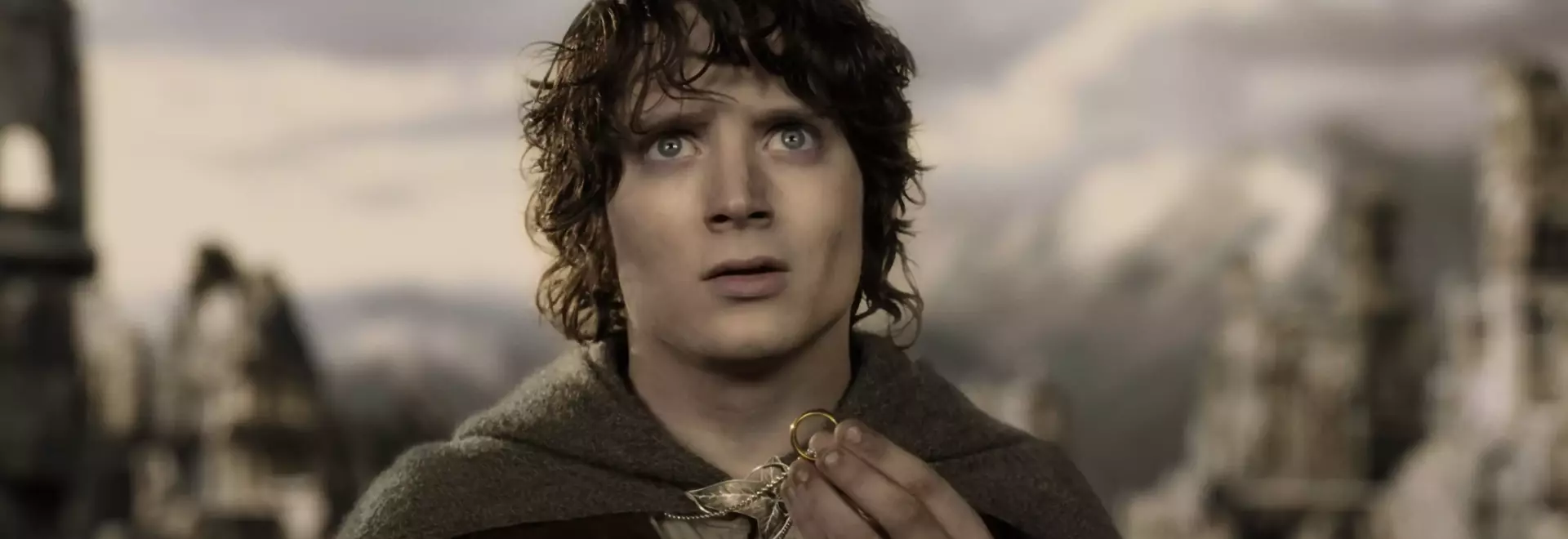
This fundamental understanding is where Hollywood stumbled for the subsequent 25 years, mistakenly replicating the superficial aspects of the films. Emulating grand scale is achievable; recreating the profound human element is a far greater challenge. This is precisely why 'The Lord of the Rings' continues to set the benchmark for all fantasy blockbusters. Audiences returned not for armies of Uruk-hai at Helm's Deep, but for Sam's devotion to Frodo, Boromir's sacrifice for Merry and Pippin, and Aragorn's eventual embrace of the kingship everyone knew he was destined for. For two and a half decades, Hollywood pursued the scale of 'The Lord of the Rings' trilogy, when its true pursuit should have been its timeless humanity.
