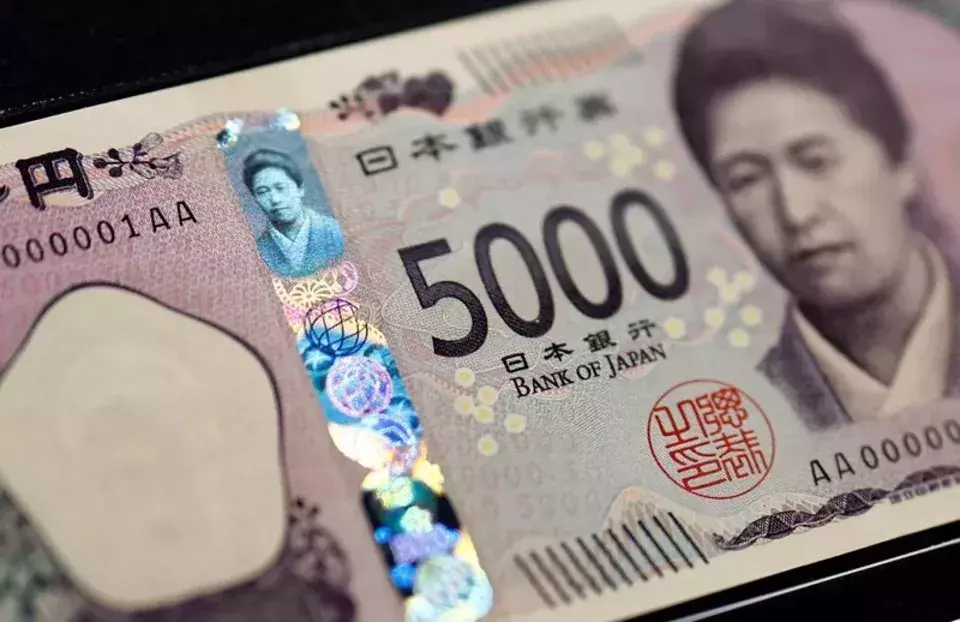
Dollar's Ascent Pushes Yen to 40-Year Low, Testing Japanese Authorities
The robust performance of the U.S. dollar has exerted significant pressure on global currencies, most notably the Japanese yen, which recently plummeted to a 40-year low. This sustained depreciation of the yen is largely a consequence of the diverging monetary policies between the United States and Japan, creating a substantial interest rate gap. As the Federal Reserve considers further rate adjustments to combat inflation and maintain economic stability, the Bank of Japan has adhered to a more accommodative stance, making the yen a less attractive investment in carry trades. This dynamic has left Japanese authorities in a challenging position, balancing the need to support their currency with broader economic objectives. The euro has also felt the ripple effects of the dollar's strength and varying inflation data across the Eurozone, adding to the complexities faced by central banks globally.
The dollar's upward trajectory is firmly rooted in the current economic landscape of the United States, characterized by persistent inflation and steady economic growth. Financial markets are increasingly pricing in the likelihood of additional rate hikes by the Federal Reserve, a sentiment reinforced by recent projections from policymakers. This hawkish outlook, juxtaposed with the Bank of Japan's comparatively dovish approach, has created a significant yield differential that fuels the dollar's appreciation. While Japanese officials have expressed readiness to intervene, the efficacy and timing of such actions remain uncertain, especially given that previous interventions yielded only temporary relief. The ongoing currency fluctuations underscore the intricate interplay of global economic conditions, monetary policies, and market sentiment.
The Yen's Historic Slide and Intervention Dilemmas
The Japanese yen has recently experienced a dramatic decline, reaching unprecedented lows against the U.S. dollar not seen in four decades. This significant depreciation, pushing the exchange rate as high as 162.41 yen to the dollar, has ignited intense speculation about the potential for direct market intervention by Japanese financial authorities. Despite reiterations from Japan's Finance Minister regarding readiness to respond, the sustained weakness of the yen suggests a cautious approach to intervention, possibly informed by the limited long-term impact of previous efforts in April and May.
The primary driver behind the yen's protracted weakness is the substantial and widening interest rate differential between Japan and the United States. While the Bank of Japan has begun to normalize its monetary policy, its rates remain considerably lower than those in the U.S. This disparity makes the yen an attractive funding currency for "carry trades," where investors borrow in yen at low interest rates to invest in higher-yielding currencies, thereby exerting consistent downward pressure on the yen. Adding to this, the broader strength of the U.S. dollar, propelled by expectations of further rate hikes from the Federal Reserve amid persistent inflation and robust economic growth, further exacerbates the yen's predicament. Japanese authorities face a difficult balancing act: intervening too aggressively risks depleting foreign reserves and could be seen as fighting a powerful market trend, while inaction risks further destabilizing the economy.
Global Currency Market Turbulence Amidst Dollar Dominance
Beyond the yen, the pervasive strength of the U.S. dollar is creating ripples across the global foreign exchange markets, impacting other major currencies such as the euro and commodity-linked currencies. The dollar index, a measure of the greenback's value against a basket of six other major currencies, has demonstrated remarkable resilience, recouping recent losses and signaling a strong quarterly performance. This dollar dominance is largely attributed to the Federal Reserve's hawkish stance, with markets anticipating further rate increases to curb inflation, a situation closely monitored through economic indicators like U.S. jobs data.
The euro, for instance, has experienced a dip against the dollar, nearing a one-year low, partly due to the dollar's overall strength and partially in response to cooler-than-expected inflation figures from key Eurozone economies like France and Germany. While the European Central Bank has initiated its own rate-hiking cycle, the evolving inflation landscape and potential economic slowdown could influence future policy decisions. Similarly, currencies of commodity-exporting nations, including the Norwegian Krone, Canadian Dollar, and Australian Dollar, are under pressure as global oil and gas prices ease. This highlights a broader trend where the U.S. economic outlook and monetary policy decisions are setting the tone for currency movements worldwide, challenging central banks to navigate their domestic economic priorities against a backdrop of powerful global financial forces.
