Diesel Prices Surge Amidst Volatile Oil Markets and Supply Disruptions
The global oil market is currently experiencing significant volatility, marked by plummeting crude oil prices. However, contrary to expectations, the benchmark price for most fuel surcharges, particularly diesel, has continued its upward trajectory for the third successive week. This unexpected rise in diesel prices, despite the broader decline in crude futures, highlights a growing divergence within the energy sector. Several factors, including geopolitical instabilities, disruptions in refining capacities, and environmental challenges, are contributing to this unusual market dynamic, creating a complex landscape for consumers and industries reliant on diesel fuel.
A notable disparity has emerged between the falling prices of crude oil and the increasing cost of diesel. While crude futures have been on a downward trend, the retail price of diesel has risen, impacting consumers and businesses that depend on this fuel. This detachment is fueled by specific supply chain vulnerabilities and geopolitical events that disproportionately affect diesel production and distribution. Consequently, the trucking industry and other sectors that rely heavily on diesel are facing higher operating costs, even as the raw material for their fuel becomes cheaper globally.
The Uncoupling of Diesel and Crude Oil Markets
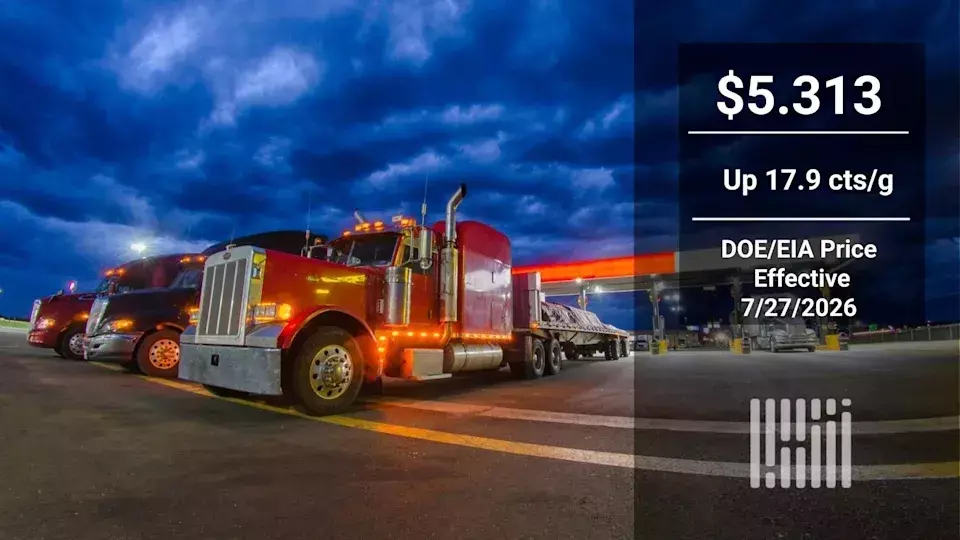
Despite a global decline in crude oil prices, the U.S. retail diesel benchmark has defied this trend, increasing for a third consecutive week. This rise saw the Department of Energy/Energy Information Administration's average weekly retail diesel price climb by 17.9 cents per gallon, reaching $5.313/g. This increase follows previous consecutive hikes, totaling 73.5 cents per gallon over this period, pushing diesel prices to their highest point since early June, nearly matching levels seen in late April. This demonstrates a clear decoupling from the broader crude oil market, as diesel experiences significant upward pressure independent of crude's downward movement. The lag in retail price adjustments means that the current diesel prices do not yet reflect the sharp drop in crude futures that began earlier this week.
The divergence is particularly evident when comparing the price movements of Brent crude and ultra-low sulfur diesel (ULSD). On a recent trading day, Brent crude experienced a substantial drop of 8.7%, settling at $88.36/barrel, after having been above $100 just two days prior. In stark contrast, ULSD on the CME commodity exchange saw a much smaller decline of just 1.65%, settling at $4.1116/g. This disparity has led to an unprecedented spread between crude and diesel prices, exceeding $2 per gallon when Brent is converted to cents per gallon and subtracted from the ULSD price—a historic high. This indicates a severe tightness in the diesel market, driven by factors beyond crude oil availability, making diesel significantly more expensive relative to crude than ever before.
Geopolitical and Environmental Pressures on Diesel Supply
The widening gap between crude and diesel prices is largely attributable to a combination of geopolitical tensions and environmental factors that are severely impacting diesel supply. Ongoing attacks on refining infrastructure in the Middle East, particularly those by Iran on facilities in other countries, have resulted in a significant loss of refining capacity in the region. This reduction in output directly contributes to a tighter supply of refined products like diesel. Furthermore, recent drone attacks by Ukraine on Russian refineries have drastically cut Russia's refining operations to their lowest levels in over two decades, reducing crude processing by 1.4 million barrels per day compared to a year ago. Given Russia's role as a major producer of diesel, these attacks have led to a ban on Russian diesel exports, exacerbating global supply constraints.
In addition to geopolitical conflicts, environmental conditions are also playing a crucial role in tightening diesel markets. A severe drought in Europe has caused water levels on the Rhine River to fall to near-historic lows, potentially reaching levels not seen since 1990. The Rhine is a vital waterway for transporting fuel and other goods, and reduced water levels inhibit barge traffic, making fuel shipments more expensive and less efficient. This logistical challenge further restricts the availability of diesel in European markets, contributing to the global supply squeeze. Consequently, consumers who observe falling crude prices might anticipate a larger drop in pump prices for diesel than what actually materializes, due to these multifaceted supply pressures that keep diesel prices elevated.
