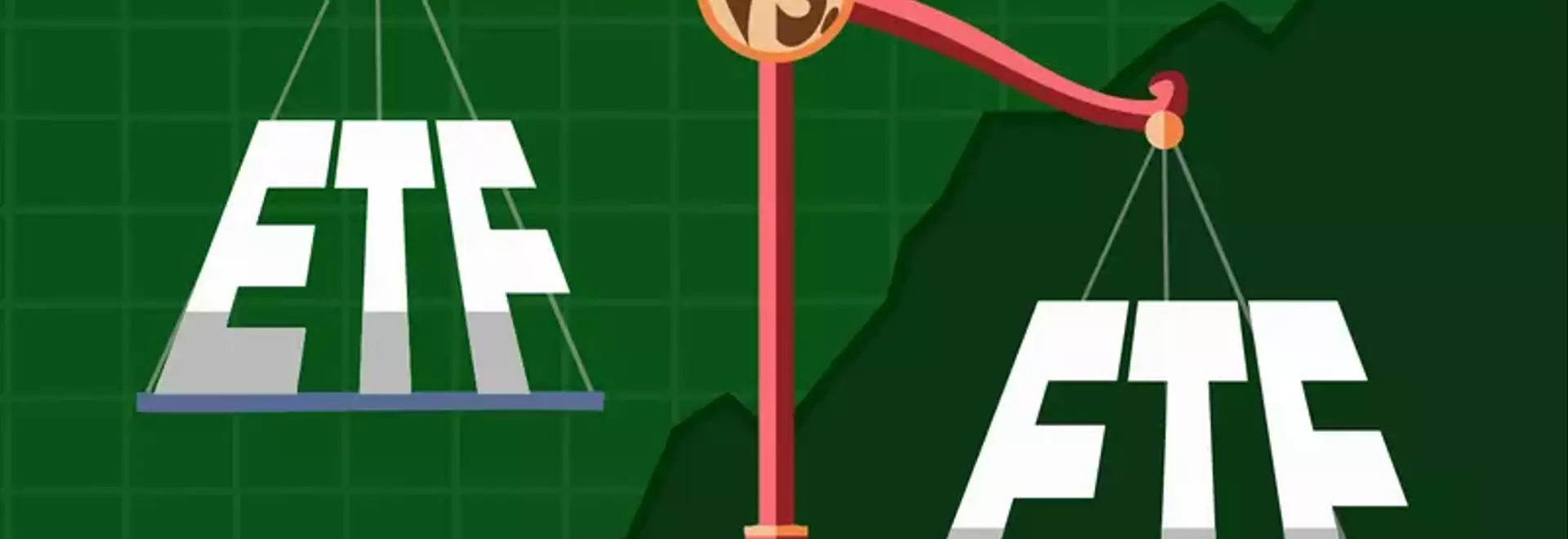
Defense ETFs: iShares vs. Global X in 2026
When evaluating defense-focused Exchange Traded Funds (ETFs), the iShares U.S. Aerospace & Defense ETF (ITA) and the Global X Defense Tech ETF (SHLD) present distinct investment philosophies. While both target the defense and aerospace industries, their strategies diverge significantly. ITA offers a broader scope within established U.S. aerospace and defense contractors, appealing to investors seeking traditional market exposure. In contrast, SHLD concentrates on cutting-edge defense technologies, reflecting a more specialized and potentially growth-oriented approach. Investors must weigh factors such as expense ratios, sector distribution, and underlying asset concentration to determine which fund aligns better with their financial objectives and risk tolerance.
A detailed examination of these ETFs reveals key differences that inform investment decisions. The iShares ETF, for instance, maintains a portfolio heavily weighted towards industrial companies within the defense sector, with a significant allocation to a few major players, which introduces a notable concentration risk. Conversely, the Global X ETF, while also holding industrial assets, integrates a component of technology firms, indicating a forward-looking perspective on defense innovation. The varying launch dates and dividend payout histories further distinguish these funds, providing different historical performance metrics for comparison. Understanding these nuances is crucial for investors aiming to capitalize on the evolving defense landscape.
Comparative Analysis of Defense ETFs: Cost and Holdings
The iShares U.S. Aerospace & Defense ETF (ITA) and the Global X Defense Tech ETF (SHLD) offer distinct investment profiles within the defense sector. ITA typically features a slightly more economical expense ratio compared to SHLD, making it a potentially more attractive option for cost-conscious investors. However, when examining portfolio composition, ITA demonstrates a high level of concentration, with a substantial portion of its assets allocated to a few major industrial companies such as GE Aerospace, RTX, and Boeing. This heavy weighting in a small number of stocks means that the fund's performance is significantly tied to the fortunes of these specific entities, posing a concentration risk that investors should carefully consider.
In contrast, the Global X Defense Tech ETF (SHLD), while having a marginally higher expense ratio, provides a more diversified sector exposure by including a notable allocation to technology companies alongside industrials. Its top holdings, which include RTX, General Dynamics, and Lockheed Martin, are more evenly distributed, potentially reducing the impact of any single company's performance on the overall fund. SHLD, being a newer fund, also emphasizes modern defense technologies, offering investors exposure to emerging trends in the industry. This blend of traditional and technological holdings, coupled with a less concentrated portfolio, could appeal to those seeking broader diversification and involvement in the future of defense innovation.
Performance, Risk, and Investor Considerations for Defense ETFs
When evaluating the performance and risk aspects of the iShares U.S. Aerospace & Defense ETF (ITA) and the Global X Defense Tech ETF (SHLD), several factors come into play. Historically, ITA has demonstrated strong long-term performance, benefiting from its focus on established U.S. aerospace and defense giants. Its longevity in the market, having been launched in 2006, provides a rich history of returns and dividend payouts, which can be a comforting factor for traditional investors. However, the fund's significant concentration in a few large-cap industrial stocks introduces a heightened level of idiosyncratic risk, meaning that adverse events affecting these specific companies could disproportionately impact the ETF's overall value.
Conversely, the Global X Defense Tech ETF (SHLD), a more recent entrant to the market, has shown impressive short-term growth, particularly over a two-year period, due to its emphasis on modern defense technology firms. Despite this, its newer status means a shorter track record, and its relative underperformance against ITA in the most recent year suggests that its technology-heavy focus can also lead to different volatility patterns. While SHLD aims for broader diversification across technology and industrial sectors, it still features notable positions in key defense contractors. For investors, the choice between these ETFs hinges on their comfort with concentration risk, their time horizon, and their preference for either established market leaders or burgeoning technological innovations within the defense industry.
