The Culinary Chemistry of pH: Transforming Vegetables
In the realm of culinary science, pH stands as a formidable yet frequently underestimated element. Its influence extends across numerous dishes, from tenderizing meats with acidic marinades to enhancing egg white foams with cream of tartar. This article delves into the profound impact of pH on vegetables, revealing how subtle adjustments in their cooking environment can revolutionize their flavor, texture, and visual appeal. By understanding these chemical interactions, home cooks can unlock new possibilities in vegetable preparation, achieving desired outcomes with precision and creativity.
Cooking is fundamentally a chemical process, and pH is a key player. This exploration is guided by a core principle: modifying the pH of a vegetable's cooking liquid profoundly affects its ultimate qualities. We will examine these characteristics through three lenses: taste, structural integrity, and visual presentation.
The manipulation of pH inevitably influences the taste profile of cooked vegetables. Introducing an acidic ingredient, however subtly, will impart a degree of tartness. The specific acidic agent chosen, such as lemon juice or apple cider vinegar, will also infuse its unique flavor, which must be considered in the overall culinary vision. Conversely, cooking in an alkaline environment can lead to a slightly soapy or chemical taste, reminiscent of over-leavened baked goods. The intensity of this off-flavor depends on the type and quantity of alkaline ingredient used. Ultimately, managing these flavor shifts requires a delicate balance and an understanding of how the prepared vegetables will be incorporated into a dish, balancing desired textural changes against potential taste alterations.
The texture of vegetables is heavily influenced by pH, primarily due to pectin, a polysaccharide crucial for cell wall structure in plants. Pectin acts as the "cement" holding plant cells together, and its behavior is highly responsive to pH changes. In alkaline conditions (pH above 8.0), pectin breaks down and dissolves rapidly, leading to softer, mushier vegetables as cellular integrity diminishes. Conversely, in acidic environments (pH 6.0 or lower), pectin breakdown is significantly slowed, allowing vegetables to maintain their shape, crispness, and even a degree of crunchiness throughout the cooking process. This understanding of pectin's pH sensitivity offers powerful tools for culinary applications.
Illustrative examples of pH's effect on texture are evident in potato preparation. For instance, adding vinegar to cooking water helps potatoes maintain their shape for crispy chips. Conversely, incorporating baking soda into the cooking water for roast potatoes raises the pH, promoting the breakdown of their exterior. This creates a starchy slurry that crisps beautifully, encasing a fluffy interior. Similar principles apply to other vegetables: dried beans soften more effectively when soaked and cooked in a baking soda solution, which raises pH and displaces calcium in pectin, weakening its structure. Experiments with broccoli, green beans, and carrots consistently show that lower pH yields firmer textures, while higher pH results in softer, more disintegrated structures, ideal for purees or sauces.
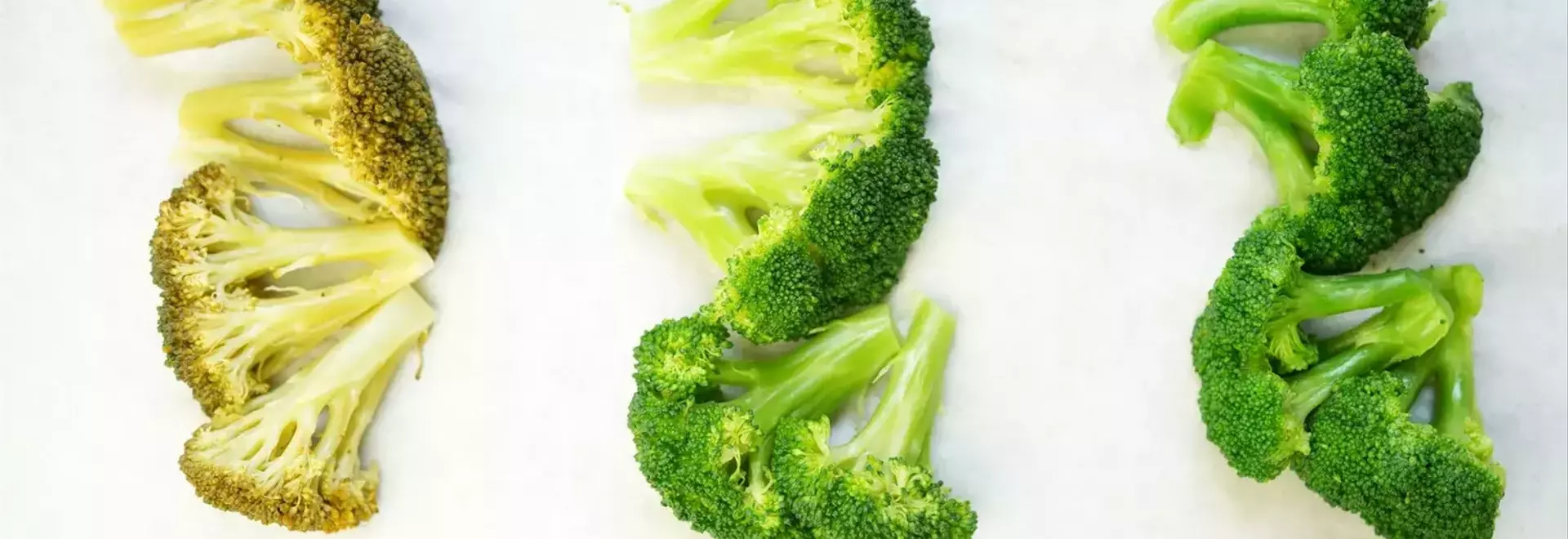
The visual characteristics of vegetables are also dramatically influenced by pH. Chlorophyll, the pigment responsible for green hues in vegetables like spinach and kale, is particularly sensitive. In acidic conditions (pH 2-5), chlorophyll tends to shift from vibrant green to an olive or yellowish tone. In contrast, in basic solutions (pH 6-13), it retains a vivid green. Anthocyanins, the purple-red pigments found in red cabbage and blueberries, demonstrate an even more striking color transformation. They appear crimson in acidic environments and transition to violet or blue in basic solutions. This property makes red cabbage juice a useful, informal pH indicator. Experimental cooking of broccoli, leek tops, and snap peas in varying pH solutions confirmed these color changes, with acidic conditions yielding duller greens and basic solutions intensifying them. Red cabbage showed a distinct gradient from blue to purple in alkaline conditions, reflecting the solution's incomplete penetration. Beyond blanching, alkaline environments can also enhance the Maillard reaction during baking or roasting, further influencing appearance.
Achieving desired pH adjustments in the kitchen is straightforward, with several readily available options. To lower pH, acidic ingredients like lemon juice, vinegar (especially distilled white vinegar), or citric acid powder can be used. Lemon juice and vinegar impart their own flavors, which should be considered. Citric acid powder, while less common, offers precise measurement and a more neutral sour taste. For raising pH, baking soda is the most common and safest mild alkali. It not only increases pH but also helps break down pectin by displacing calcium, leading to softer textures and vibrant green colors, ideal for soups and purees. Stronger alkaline agents like sodium carbonate or lye are used for specialized preparations requiring significantly higher pH levels, such as pretzels or ramen noodles, but require careful handling due to their caustic nature and pronounced taste impact.
In essence, the pH level of a vegetable's cooking environment is a critical factor influencing its ultimate texture, flavor, and visual appeal. Lowering the pH results in firmer, crisper vegetables with duller green hues and redder anthocyanin-rich counterparts. Conversely, raising the pH yields softer, mushier textures, vibrant green vegetables, and anthocyanins that shift towards violet or blue. Mastering pH manipulation allows cooks to precisely control these attributes, transforming simple vegetables into culinary masterpieces.
