Crafting Traditional Unleavened Bread: A Guide to Homemade Matzo
Making matzo at home transforms a simple culinary task into a meaningful experience, connecting deeply with the traditions of Passover while offering a superior taste and texture compared to commercial alternatives. This process highlights the versatility of matzo, demonstrating its role not just as a symbolic food, but as a culinary canvas. By embracing specific techniques, such as incorporating a hint of whole wheat flour, meticulously docking the dough to prevent unwanted puffing, and baking at high temperatures to achieve a beautifully blistered crust, anyone can craft matzo that is both delicious and deeply satisfying. This hands-on approach to creating unleavened bread makes it a cherished component of holiday meals and everyday snacking, reaffirming its place in both tradition and modern kitchens.
The Culinary Journey of Unleavened Bread: From Preparation to Perfection
In a bustling kitchen, a culinary enthusiast recently embarked on a journey to recreate the ancient unleavened bread, matzo. The adventure began with two standard baking sheets meticulously lined with parchment paper, and an oven preheating to a scorching 500°F (260°C), its racks strategically placed in the upper-middle and lower-middle positions. In a spacious bowl, a precise blend of 240 grams (8.5 ounces) of all-purpose flour, 44 grams (1.5 ounces) of whole wheat flour, and half a teaspoon of Diamond Crystal kosher salt was carefully combined. To this dry mixture, 1/2 cup (120 ml) plus 2 tablespoons (30 ml) of room temperature water and 2 tablespoons (30 ml) of olive oil were added, slowly transforming into a shaggy, then slightly sticky dough with the help of a wooden spoon. Once transferred to a clean surface, the dough was kneaded for a brief two to three minutes until it achieved a soft, non-stick consistency. A final touch of 1/2 teaspoon of olive oil was used to coat the dough ball in the now-empty bowl, preventing it from drying out before being covered with a kitchen towel and allowed to rest for 20 minutes.
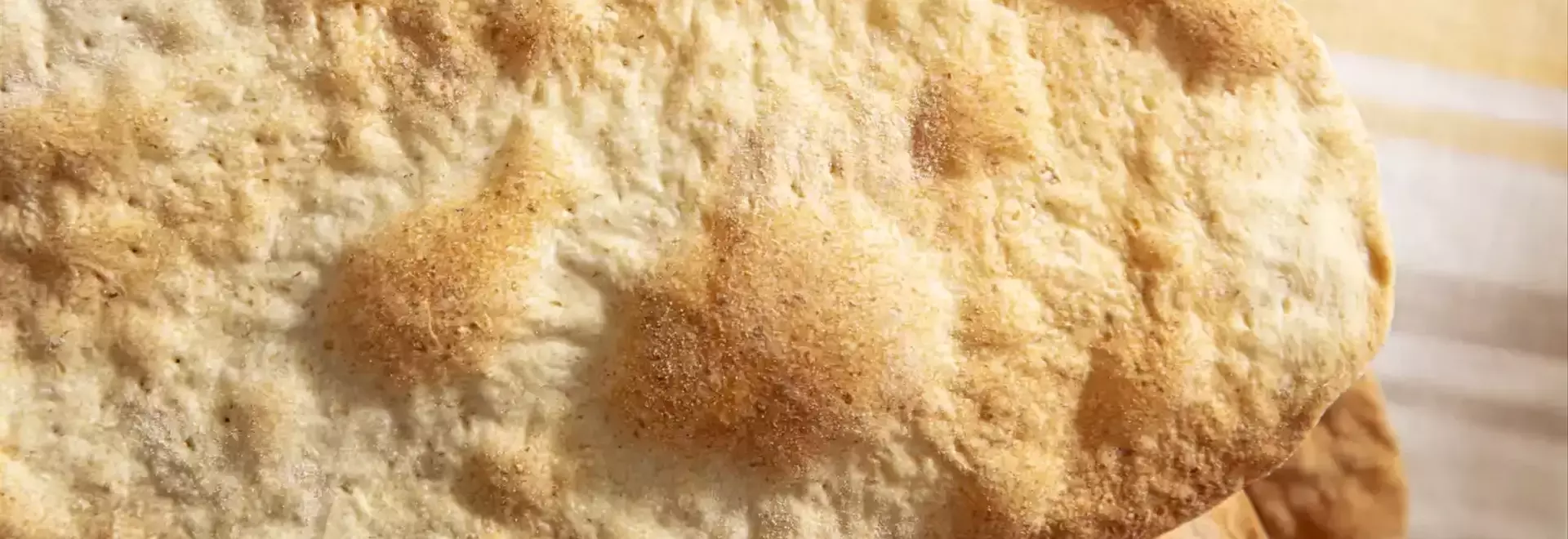
With the dough sufficiently rested, a bench scraper divided it into six equal portions, each expertly shaped into a ball. One by one, on a lightly floured surface, each dough ball was rolled out with a rolling pin to a thickness of less than 1/16-inch, so translucent that one could almost glimpse their hand through it. Each round measured an impressive 9 to 12 inches in width, their imperfect shapes adding to their homemade charm. The delicate dough was then carefully draped over the rolling pin and transferred to the prepared baking sheets. Before baking, each matzo round was lightly pricked with a fork and, if desired, sprinkled with kosher salt. Baking commenced with two sheets at a time, each matzo rotated and flipped midway through, until achieving a perfect crisp, dry texture adorned with spotty golden-brown blisters, a process that took only 7 to 8 minutes. The freshly baked matzo was then moved to a wire rack to cool, while the remaining dough balls underwent the same precise rolling, docking, and baking ritual, yielding a total of six golden-brown matzo crackers. These delectable crackers, once cooled, found their temporary home in an airtight container at room temperature, promising to retain their delightful crispness for up to four days, ready to be enjoyed in various traditional and innovative dishes.
This journey into crafting homemade matzo has been more than just a recipe; it's a profound connection to heritage and a celebration of culinary simplicity. The initial curiosity blossomed into a rewarding endeavor, revealing that the humble matzo, often seen as a mere ceremonial food, possesses a depth of flavor and versatility that far surpasses its store-bought counterparts. The act of making it from scratch, from the careful measurement of flours to the meditative process of rolling and docking the dough, brings a sense of satisfaction and authenticity. It transforms a traditional requirement into a joyful creation, fostering a deeper appreciation for the culinary practices passed down through generations. This experience reminds us that sometimes, the most profound connections to our past and the most delicious outcomes are found in the simplest ingredients and the most dedicated efforts.
