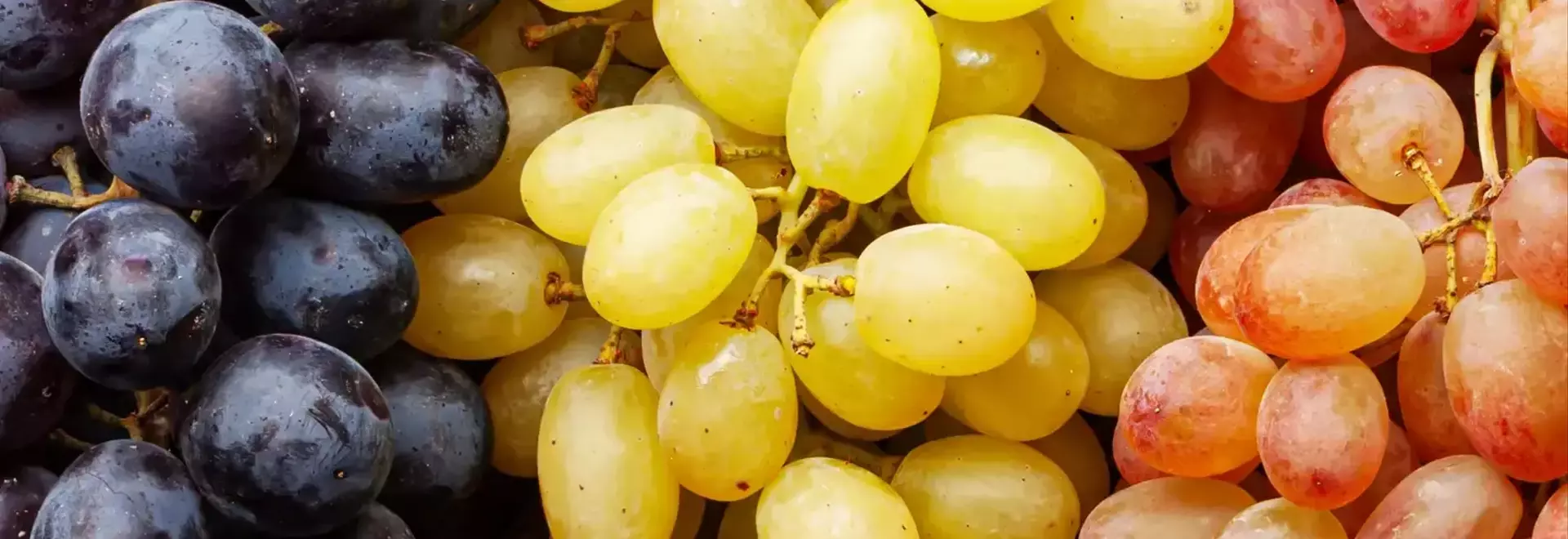
A Comprehensive Guide to Grapes: Varieties, Selection, and Culinary Uses
Grapes are not merely a convenient, portable snack; they are also a delightful addition to diverse culinary creations, including refreshing salads, elegant cheese boards, and decadent desserts. These versatile fruits are also fundamental to the production of wine and raisins. Thanks to their year-round cultivation in the US and other regions, grapes are almost perpetually in season. Supermarkets reliably offer classic varieties such as Thompson Seedless and Crimson Seedless, alongside distinctive options like Cotton Candy grapes, known for their unique flavor, and Moon Drops, recognized for their elongated shape and sweet, crisp texture. Additionally, Concord grapes, with their distinctive musky aroma, are famously used for grape jelly.
This guide delves into the characteristics of popular table grape varieties, highlighting the distinctions between seedless and seeded types, and contrasting them with wine grapes. It also offers practical advice on how to choose, preserve, and utilize grapes in various culinary contexts.
Grapes are essentially berries that grow on vines within the Vitis genus. Most table grapes originate from either Vitis vinifera, indigenous to Europe and the Mediterranean, or Vitis labrusca, native to North America. California stands as a major hub for US table grape cultivation, with the Southern San Joaquin Valley being a primary contributor. According to Jim Beagle, CEO of Grapery, an esteemed grape grower, California produces 99% of the table grapes in the US, with 80% of that supply originating from a 100-mile radius in the Southern San Joaquin Valley. The region's hot, dry climate and warm nights create ideal conditions for developing the grapes' characteristic sweetness and texture.
Today, the majority of table grapes are "seedless," or nearly so. While technically containing tiny, soft, undeveloped seeds, these are imperceptible during consumption. In contrast, seeded varieties like Concords and heirloom grapes feature fully developed seeds. Although some individuals don't mind consuming seeded grapes, seedless varieties are more widely favored, prompting growers to cultivate these types. Unlike table grapes, most wine grapes possess seeds, which, along with their skins, play a crucial role in shaping a wine's structure and flavor. Table grapes are cultivated for their large size, sweetness, and suitability for fresh consumption. Wine grapes, however, come in hundreds of global varieties and thrive in climates with warm days and cool nights, such as coastal areas or near large bodies of water. These temperature fluctuations are vital for developing complex flavors and balancing sugar and acidity, essential elements for producing well-structured wines. As Jim Beagle explains, “Wine grapes require high acidity—it's the foundation of wine,” whereas “table grapes need low acidity and high sweetness.” A fresh wine grape, ideally, should taste tart.
Red wines, crafted from dark-skinned grapes like Pinot Noir or Cabernet Sauvignon, undergo fermentation with their skins for several weeks, imparting their deep color, tannins, and structure. Rosé wines, also made from red grapes, have minimal skin contact, typically only a few hours, to achieve their characteristic pink hue. Orange wines are produced similarly to red wines, but using white or green-skinned grapes, where prolonged skin contact (days to weeks) contributes to their color and complexity. In contrast, white wine production largely excludes skin involvement. As Erin St. John Kelly, a tasting room associate at Ravines Wine Cellars, notes, white wine grapes (including Riesling and Chardonnay) are usually pressed immediately to separate juice from skins, with skins playing no part in fermentation. When selecting grapes, opt for firm, plump clusters with green, flexible stems. Avoid grapes with brittle or brown stems, mushy textures, or wrinkled skins. Look for uniform color and a fresh, fruity aroma. Grapes are in peak season during late summer and early fall, offering the best variety. Store grapes unwashed in a breathable container in the refrigerator to maintain freshness. Washing them prematurely can lead to moisture buildup, promoting mold. Grapes are best consumed within a few days but can last up to a week. For longer storage, rinse, dry, and freeze them in a single layer before transferring to a container.
Grapes offer endless culinary possibilities. They are excellent in cheese and charcuterie presentations, can be pickled, transformed into jams, and incorporated into various salads, cocktails, and desserts, including peanut butter and jelly pie. Of course, they are also delicious simply eaten fresh or frozen. Embracing the diverse world of grapes allows us to appreciate their rich flavors and adaptability, enhancing our culinary experiences and promoting a healthful, vibrant lifestyle.
