Choosing Consumer Staples ETFs: State Street vs. First Trust
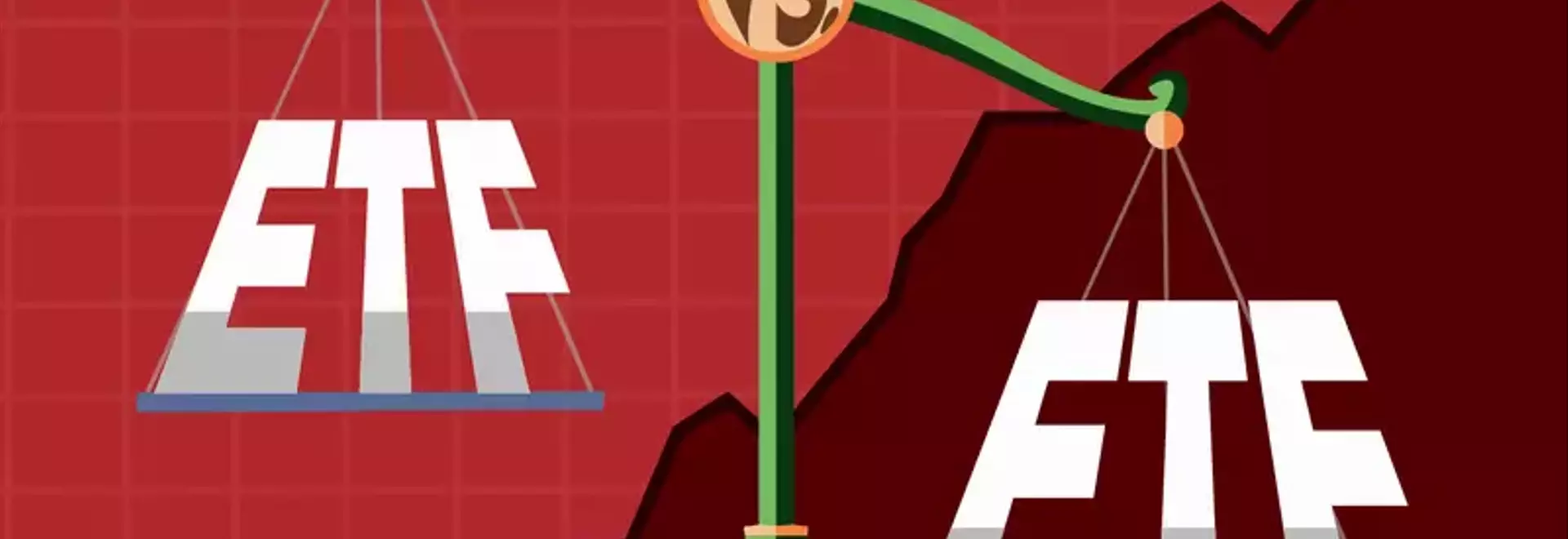
This analysis examines two exchange-traded funds (ETFs) designed for investors seeking defensive positions within the consumer staples sector: the State Street Consumer Staples Select Sector SPDR ETF (XLP) and the First Trust Nasdaq Food & Beverage ETF (FTXG). While both aim to provide stability during market volatility, their approaches diverge significantly in terms of underlying index tracking, cost efficiency, and historical returns. Understanding these distinctions is crucial for investors to select the fund that best aligns with their financial objectives and risk tolerance.
The State Street Consumer Staples Select Sector SPDR ETF, often referred to by its ticker XLP, offers broad exposure to U.S. consumer staples companies. It operates on a market-capitalization-weighted methodology, tracking a segment of the S&P 500. This traditional approach provides investors with a diversified portfolio reflecting the overall market's valuation of consumer staple giants. In contrast, the First Trust Nasdaq Food & Beverage ETF (FTXG) employs a more specialized strategy. It focuses exclusively on the food and beverage industry within the broader consumer staples sector, utilizing a 'smart-beta' selection process. This involves weighting components based on factors like volatility and growth, aiming to potentially enhance returns or reduce risk beyond a simple market-cap weighting.
A significant differentiating factor between the two funds lies in their cost structures. XLP boasts a remarkably low expense ratio of 0.08%, making it an exceptionally cost-effective option for long-term investors. FTXG, on the other hand, carries a substantially higher expense ratio of 0.60%. While FTXG may offer a slightly elevated trailing-12-month dividend yield at 2.7% compared to XLP's 2.6%, the considerable difference in annual fees can erode potential returns over time, making XLP a more financially prudent choice for many. Furthermore, XLP's broader diversification includes major players like Walmart, Costco Wholesale, and Procter & Gamble, while FTXG's concentrated focus includes firms such as Archer-Daniels-Midland, Mondelez International, and The Kraft-Heinz Company.
Historical performance further illuminates the disparity between these two ETFs. Over various timeframes (3-year, 5-year, and 10-year), XLP has consistently delivered positive returns, demonstrating the effectiveness of its straightforward, low-cost indexing strategy. FTXG, despite its decade-long existence, has unfortunately shown a disappointing track record, with negative returns across similar periods. Its assets under management have dwindled, raising concerns about its long-term viability and the potential for fund closure, which could trigger an involuntary taxable event for investors. This stark contrast in performance highlights the potential pitfalls of more complex, higher-fee strategies when compared to a well-established, low-cost market-tracking fund in the consumer staples space.
For investors prioritizing stability, lower costs, and consistent performance within the defensive consumer staples sector, the State Street Consumer Staples Select Sector SPDR ETF (XLP) emerges as the more compelling choice. Its proven track record, minimal expense ratio, and substantial assets under management offer a robust and reliable option for portfolio protection.
