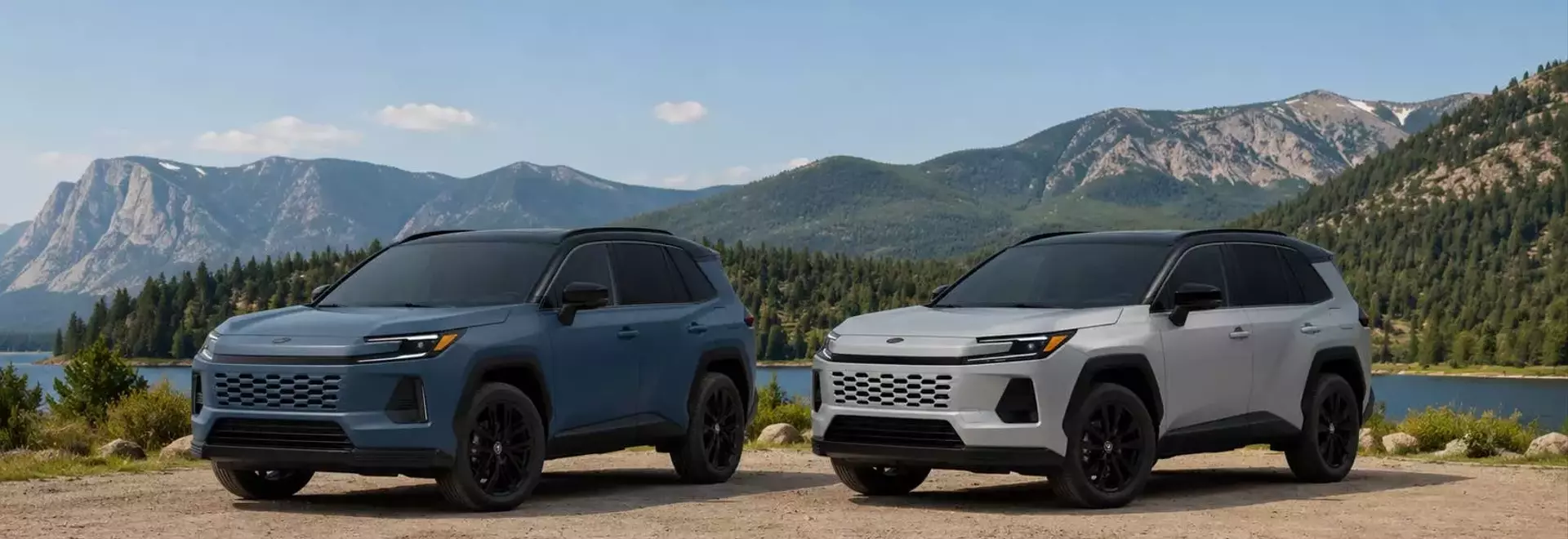
Choosing Between Two Toyota RAV4 Trims: XSE Hybrid vs. SE PHEV
Unlock the Ultimate RAV4: Performance Meets Practicality
A Price Point, Two Worlds Apart: The RAV4 XSE vs. RAV4 PHEV SE
Toyota's latest RAV4 lineup offers a diverse range of ten variants, encompassing both traditional hybrid and advanced plug-in hybrid powertrains. While budget often dictates choice, two models stand out due to their remarkably similar pricing—separated by merely $200—yet deliver vastly different driving experiences. These are the RAV4 Hybrid XSE and the RAV4 Plug-in Hybrid SE. The former boasts a richer array of features, while the latter excels in dynamic performance. For those with approximately $41,000 to invest in a new Toyota RAV4, the selection between these two becomes surprisingly straightforward. The RAV4 XSE, featuring the standard hybrid system, positions itself just below the fully-loaded Limited trim, whereas the SE PHEV represents the most accessible plug-in hybrid option. Although both models champion efficiency, the PHEV offers the unique advantage of pure electric driving, a significant benefit for shorter commutes with convenient home charging. Conversely, the standard RAV4's simpler powertrain promises reduced long-term maintenance costs.
Engine Performance: Where the Plug-in Hybrid Leaves Its Mark
Toyota's bold decision to equip every RAV4 with a hybrid powertrain ensures that even the base models offer a responsive driving experience, a notable contrast to many rivals' standard non-hybrid offerings. While no new RAV4 can be considered slow, the plug-in hybrid variant distinguishes itself with markedly superior acceleration and power. Comparing the two, the RAV4 XSE, with its 2.5L I4 Hybrid engine, delivers 236 horsepower, while the RAV4 SE PHEV's 2.5L I4 PHEV unit boasts a robust 324 horsepower. Torque figures stand at 163 lb-ft for the XSE and 172 lb-ft for the SE PHEV (engine only), both featuring all-wheel drive. The performance gap is stark: the PHEV accelerates from 0 to 60 mph in a swift 5.2 seconds, significantly outperforming the standard hybrid's 7.1 seconds. Both models maintain an impressive towing capacity of 3,500 lbs. Independent testing confirms the PHEV's substantial speed advantage. Beyond raw numbers, the PHEV's powertrain offers a smoother and quieter ride, particularly in electric-only mode, though both versions provide a composed and comfortable journey.
Fuel Economy and Operational Expenses: A Closer Look
Both RAV4 models are exceptionally efficient. When combining electric and gasoline power, their efficiency is comparable. However, the PHEV dramatically widens this gap if primarily operated in electric vehicle (EV) mode. The RAV4 XSE achieves an impressive 43/37/41 mpg city/highway/combined, while the RAV4 SE PHEV manages 43/36/40 mpg. Crucially, the PHEV boasts a combined rating of 96 MPGe, reflecting its superior electric efficiency, a metric not applicable to the standard hybrid. The XSE offers a slightly greater total driving range of 594 miles, closely followed by the PHEV's estimated 580 miles. The PHEV truly shines with its 52-mile all-electric range. Annual fuel costs are estimated at $1,500 for the RAV4 XSE and approximately $1,000 for the PHEV, assuming average fuel prices and 15,000 miles driven annually. Owners who can consistently charge the PHEV at home and have commutes within its electric range will realize substantial savings on fuel. While maintenance costs for the PHEV are slightly higher in the fourth year ($2,119 compared to the Hybrid's $1,787, according to Edmunds), the fuel savings from electric driving can easily offset this difference over a four-year period.
Interior Comfort and Technological Offerings: The XSE's Advantage
While the RAV4 PHEV SE has presented a strong argument in terms of performance and efficiency, the XSE counters with a more refined interior and a richer suite of standard features. Key differences include the XSE's larger 20-inch alloy wheels versus the PHEV SE's 18-inch alloys. The XSE comes standard with a power moonroof and a hands-free power liftgate, features absent or optional on the SE PHEV (which has a standard power liftgate but without hands-free functionality). Both models include LED headlights and taillights. Interior upholstery sees the XSE offering a more luxurious SofTex/synthetic suede, while the SE PHEV features fabric. The XSE provides standard heated and ventilated front seats, along with power-adjustable front seats (driver's and passenger's), whereas the SE PHEV offers only heated front seats and a power-adjustable driver's seat. Dual-zone automatic climate control and a 12.3-inch digital gauge cluster are standard on both. However, the XSE boasts a larger 12.9-inch touchscreen compared to the SE PHEV's 10.5-inch unit, and includes wireless smartphone charging and a panoramic-view monitor, features not found on the SE PHEV (which has only a rearview camera). These enhancements in the XSE contribute to a more premium and comfortable driving environment.
Making the Choice: Which RAV4 Aligns with Your Needs?
Considering all factors, the Toyota RAV4 SE Plug-in Hybrid emerges as the more favorable choice between these two comparably priced trims. Its significantly enhanced performance, positioning it as one of the fastest compact crossovers available, is a compelling advantage. For individuals with access to home charging and shorter daily commutes, the appeal of the PHEV intensifies, as it offers substantial reductions in fuel expenses. However, the RAV4 XSE remains a commendable option. It could be the superior selection for those who lack home charging capabilities, have extended commutes, or frequently embark on longer journeys. The XSE also appeals with its more extensive list of features and a sportier aesthetic. Ultimately, when weighing all benefits and considerations, the SE PHEV stands out as one of the most compelling individual RAV4 models currently on the market.
