China's Semiconductor Breakthrough: Mass Production of DUV Chipmaking Machines
Games

China's Semiconductor Breakthrough: Mass Production of DUV Chipmaking Machines

authorBy Reiner Knizia
DateJul 28, 2026
Read Time3 min
This article explores China's recent achievement in mass producing Deep Ultraviolet (DUV) lithography machines, a significant step towards its self-reliance in the semiconductor industry. It delves into the implications of this development for global chip manufacturing, the competitive landscape, and the ongoing geopolitical tensions surrounding technology trade.

Empowering Domestic Chip Production: China's Leap in Lithography Technology

China's Emergence in DUV Lithography Production

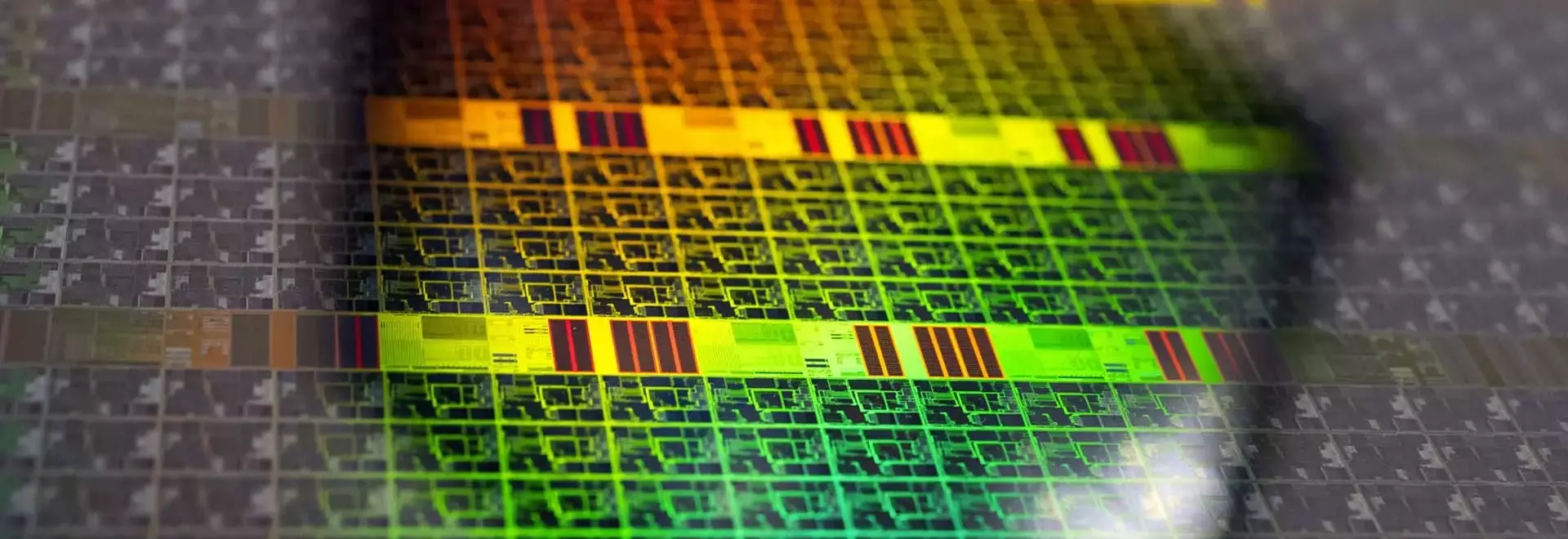
A state-supported Chinese entity has reportedly initiated the large-scale manufacturing of Deep Ultraviolet (DUV) lithography equipment, as detailed by The Information. This milestone represents a crucial advancement for China's semiconductor sector, moving it closer to achieving independence in chip fabrication.

Understanding DUV and EUV Technologies

Modern chip manufacturing relies on sophisticated lithographic techniques. DUV and Extreme Ultraviolet (EUV) lithography are the two primary methods. While EUV represents the cutting edge, DUV, a more established technology, remains vital for producing many contemporary computer chips. Historically, Dutch company ASML has been a key player in DUV machine production, succeeding Japanese manufacturers who previously held sway.

Market Impact and Customer Deliveries

According to sources cited by The Information, these newly produced Chinese DUV machines are slated for delivery to various clients this year. Notable recipients include Semiconductor Manufacturing International Corp., Hua Hong Semiconductor, and ChangXin Memory Technologies (CXMT). The latter has recently gained attention due to its impact on memory chip costs, reflecting a dynamic shift in the global semiconductor market.

Performance and Reliability Considerations

Despite this significant manufacturing achievement, the Chinese DUV machines are acknowledged to have certain limitations, particularly regarding their performance and reliability compared to established global standards. This suggests an ongoing need for refinement and improvement to compete effectively with leading international manufacturers.

Geopolitical Context and Trade Restrictions

This development unfolds amidst discussions in the US Congress regarding potential further restrictions on DUV machine sales to China, building upon existing bans on EUV machines since 2019. DUV technology enables the production of chips at advanced nodes, comparable to those found in the Ryzen 5000-series, which highlights its strategic importance. The Netherlands has also imposed export controls on DUV machines destined for China, illustrating the broader international effort to manage technological proliferation.

ASML's Market Response and Future Outlook

The announcement of China's DUV production capability led to a notable 12% drop in ASML's share price on July 27. ASML anticipates shipping approximately 130 DUV immersion machines by the end of the year, similar to its 2025 output, and plans to increase overall manufacturing capacity for both EUV and DUV systems by 2027. China's steadfast commitment to fostering domestic chip production suggests that external restrictions may only accelerate its drive toward technological autonomy. While current Chinese DUV machines may not yet match the sophistication of their international counterparts, experts believe it's only a matter of time before they achieve comparable performance and economic viability.

More Articles
Games
Understanding Post-Credit Scenes in the 'Spider-Man' Universe
This article explores the nature and significance of post-credit scenes across various 'Spider-Man' films within the Marvel Cinematic Universe, from humorous add-ons to crucial plot developments. It specifically addresses whether 'Spider-Man: Brand New Day' includes a post-credit scene and evaluates its impact compared to previous installments, guiding viewers on what to expect and whether waiting until the very end is worthwhile.
By Richard GarfieldJul 28, 2026
Games
Magic: The Gathering's Evolving Language: How 'Dies' and 'Hexproof' Redefined Gameplay
This article explores how "Magic 2012" revolutionized the popular card game "Magic: The Gathering" by introducing streamlined terminology like "dies" and "hexproof." These changes, driven by player intuition, aimed to clarify complex rules and enhance gameplay. The piece delves into the design philosophy behind these updates, discusses their impact on the game's mechanics, and reflects on the broader evolution of Magic's rule system, including the eventual shift to "ward" as a more balanced protection mechanic.
By Sid MeierJul 28, 2026
Games
A Nostalgic Look Back at Nintendo's Iconic E3 1998 Presentation
This article revisits Nintendo's E3 1998 presentation, highlighting the global debut of Pokémon and the introduction of the Game Boy Color, alongside an early preview of 'The Legend of Zelda: Ocarina of Time.' It underscores the event's historical significance in shaping the future of gaming, particularly for Nintendo's key franchises.
By Kim SwiftJul 28, 2026
Games
Spider-Man: Brand New Day Redefines the Web-Slinger's Cinematic Legacy
The latest installment in the Spider-Man saga, "Brand New Day," directed by Destin Daniel Cretton, is hailed as a transformative entry, elevating the series with a more mature narrative, enhanced action sequences, and deeper character exploration. This film re-establishes Peter Parker's journey post-"No Way Home," focusing on his isolated crime-fighting life while grappling with new challenges, including unforeseen bodily transformations and a complex, body-hopping adversary. It's praised for its ability to deliver a compelling, self-contained Spider-Man story that surpasses previous iterations and sets a new benchmark for the character's cinematic portrayal.
By Mark RosewaterJul 28, 2026
Games
Shigeru Miyamoto's Endearing Gaming Habits with Grandchildren Revealed
Legendary game designer Shigeru Miyamoto, at 73, has shifted his gaming focus from solo play to heartwarming sessions with his grandchildren. He keeps games at his home, inviting his grandchildren to visit and play, helping them overcome challenging parts like the 'scary' boss in Captain Toad: Treasure Tracker. This revelation offers a charming glimpse into the personal life of the gaming icon, highlighting his continued involvement and love for the industry through family.
By Amy HennigJul 28, 2026