China's Chip Industry: A Resilient Pursuit of Self-Reliance Amidst U.S. Export Curbs
News

China's Chip Industry: A Resilient Pursuit of Self-Reliance Amidst U.S. Export Curbs

authorBy Michele Norris
DateDec 19, 2025
Read Time2 min

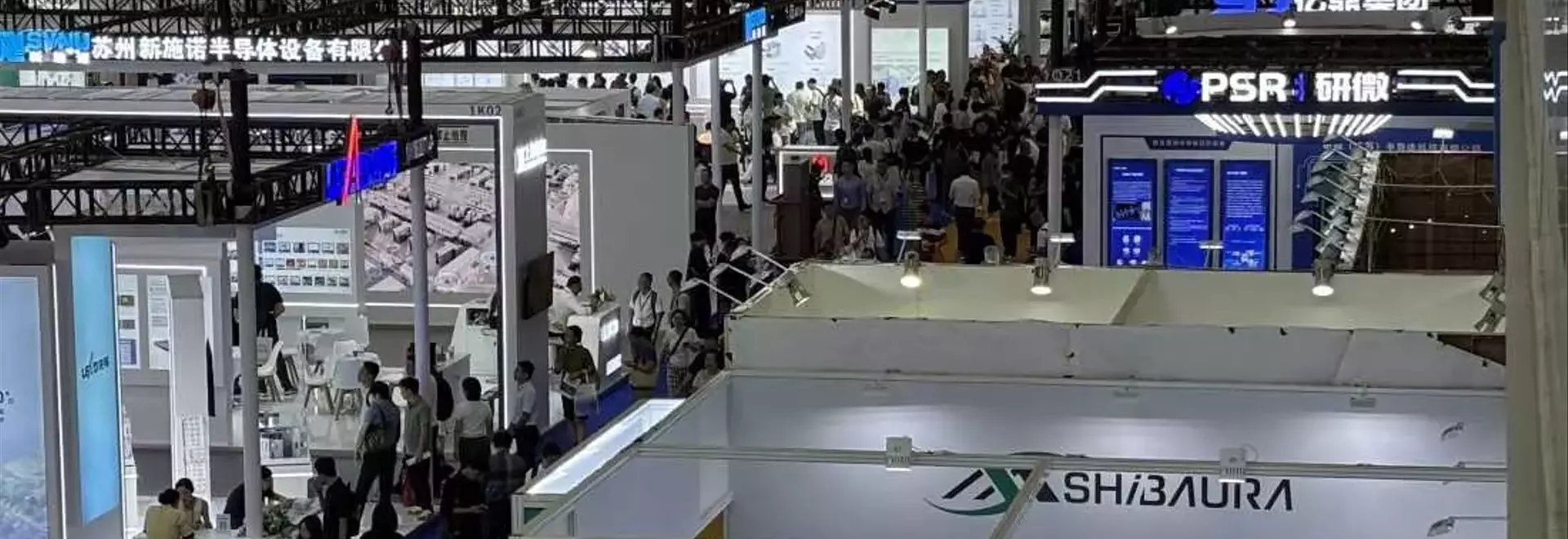
China's resolve to bolster its domestic semiconductor sector is intensifying, fueled by mounting trade limitations imposed by the United States. A recent technology exhibition in Shenzhen highlighted this determination, where companies like SiCarrier, a government-backed entity, garnered significant attention for their advancements in chip manufacturing equipment, signaling a national push towards technological autonomy.

These restrictions, initially designed to impede China's progress in artificial intelligence and prevent its military from accessing cutting-edge chips, are paradoxically galvanizing China's indigenous innovation efforts. The Chinese government has committed over $200 billion to cultivate a robust and independent chip ecosystem. While the nation still lags in mass production of the most sophisticated chips, especially those for AI, leaders emphasize the importance of scientific breakthroughs and policy support to overcome these hurdles. The sentiment among industry professionals at the expo is one of optimism, believing that with sufficient time and resources, China can bridge the technological gap and even surpass current global leaders.

However, the shifting landscape of U.S. policy introduces new complexities, as exemplified by the recent decision to allow Nvidia to sell a version of its H200 GPU to China. This move has sparked debate among experts, with some questioning whether it risks providing China with crucial tools that could inadvertently accelerate its AI development. Critics argue that while the intent might be to maintain China's reliance on U.S. technology, the overarching goal of Chinese companies, especially those under state influence, remains self-sufficiency. This strategic divergence underscores a geopolitical technology race where both nations are striving for dominance, making the path to global leadership in semiconductors increasingly intricate and competitive.

The continuous drive for technological independence and innovation, particularly in critical sectors like semiconductors, is not merely an economic endeavor but a testament to national resilience and aspiration. It highlights a universal truth that challenges, when met with strategic investment and a unified vision, can often become the crucible for profound advancement and self-improvement, ultimately shaping a more dynamic and competitive global landscape.

More Articles
News
Year-End News Challenge: Test Your Knowledge!
As the year draws to a close, a final news quiz offers participants an opportunity to evaluate their grasp of recent events. This interactive challenge covers a spectrum of significant headlines, from political developments and cultural moments to broader societal discussions. It serves as both a retrospective of the year's news cycle and a fun, competitive way to engage with current affairs before the new year begins.
By Lester HoltDec 19, 2025
News
A New Era for Washington Post Food Criticism
Elazar Sontag, the Washington Post's new food critic, is challenging traditional norms by abandoning anonymity and reintroducing a star rating system. His approach aims to make restaurant criticism more accessible and relevant to a broader audience, emphasizing community-focused dining experiences over exclusive, high-end establishments. Sontag's recent visit to Saint's Paradise Cafeteria exemplifies his commitment to highlighting diverse culinary spaces.
By Rageh OmaarDec 19, 2025
News
Milwaukee Judge Found Guilty of Obstructing Immigration Agents
A federal jury in Milwaukee has convicted Judge Hannah Dugan on charges of obstructing immigration officers. The verdict stems from an incident where she allegedly hindered agents attempting to apprehend an undocumented immigrant within the courthouse. While acquitted of a misdemeanor charge of concealing an individual, the felony obstruction conviction highlights ongoing tensions surrounding immigration enforcement at judicial facilities, a policy area that has seen increased focus under recent administrations.
By Rageh OmaarDec 19, 2025
News
TikTok's American Operations Acquired by Oracle-Led Consortium
TikTok's U.S. operations have been acquired by a consortium of American investors, spearheaded by software giant Oracle. This agreement transfers oversight of TikTok's significant U.S. data and content moderation to the new entity, while its core algorithm remains under ByteDance's ownership. The deal addresses mounting concerns in Washington over data security and foreign influence.
By Isabel AllendeDec 19, 2025
News
Vatican Intervention: Austrian Nuns' Convent Controversy
Three elderly Austrian nuns, Sisters Rita, Regina, and Bernadette, find themselves at the center of an international dispute over their right to remain in their convent. After defying their superior's orders to stay in a care home, the nuns returned to their beloved Schloss Goldenstein convent. Now, with the Vatican's involvement and a temporary social media hiatus, the sisters await a final decision on their future, highlighting a clash between traditional religious life and modern communication, and raising questions about autonomy and authority within the Church.
By Rageh OmaarDec 18, 2025