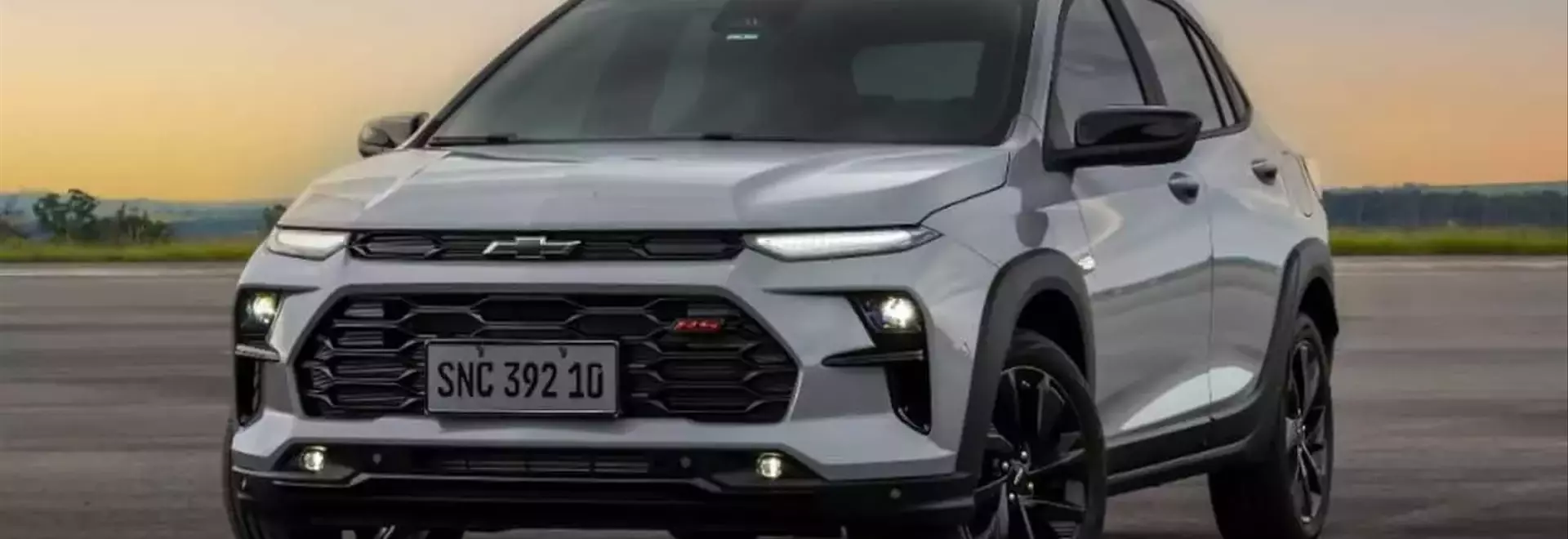
Chevrolet Sonic Returns as a Crossover, Exclusively for South America
Chevrolet has reintroduced the Sonic nameplate, but not in the form many in North America might remember. This new Sonic emerges as a stylish sub-compact crossover, exclusively tailored for the South American market. General Motors' Brazil division has positioned this vehicle as an "SUV coupe," characterized by its sleek, sloping roofline, a design trend increasingly popular globally. Drawing inspiration from its siblings, the Equinox and Trax, the new Sonic presents a modern and appealing aesthetic. While its powertrain details remain unconfirmed, it's strongly rumored to feature a mild-hybrid setup, combining a 48-volt system with a compact 1.2-liter three-cylinder engine. This move reflects a strategic effort to cater to local market demands for efficient and versatile vehicles, aiming to attract new buyers within a highly competitive segment. Despite its promising features and attractive design, Chevrolet has no current intentions of bringing this revitalized Sonic to the United States, a decision that might disappoint those seeking an affordable and efficient subcompact crossover option in the American market.
This renewed focus on the South American market with the Sonic highlights General Motors' strategy to adapt its offerings to regional preferences and capitalize on growing segments. The potential integration of mild-hybrid technology underscores a broader industry shift towards more sustainable and fuel-efficient powertrains, even in smaller vehicle categories. The vehicle's positioning between the Onix Activ and Tracker within Chevrolet's extensive South American lineup indicates its importance in filling a specific niche. Its absence from the US market, however, raises questions about the diversification of global automotive strategies and the missed opportunities for consumers in different regions to access certain models. The previous generation Sonic was appreciated for its affordability and engaging driving dynamics, and a crossover variant with hybrid technology could have addressed current market demands for versatile, economical vehicles.
The Rebirth of the Sonic in South America
General Motors Brazil has unveiled a new version of the Chevrolet Sonic, transforming it into a contemporary sub-compact crossover designed specifically for the South American automotive landscape. This model, now referred to as an "SUV coupe," boasts a distinctive design featuring a gracefully sloping roofline, a characteristic that aligns with modern automotive trends. The vehicle's exterior styling is clearly influenced by popular Chevrolet models such as the Equinox and Trax, creating a cohesive brand identity while offering a fresh appeal. Although precise details about its propulsion system are still under wraps, industry insiders anticipate that the new Sonic will be equipped with a mild-hybrid powertrain. This system is expected to pair a 48-volt electrical architecture with an efficient 1.2-liter three-cylinder engine, promising a balance of performance and fuel economy crucial for its target market. This strategic relaunch aims to capture a significant share of the sub-compact crossover segment, a rapidly expanding category in South America, and to attract a new generation of buyers to the Chevrolet brand.
The decision to reintroduce the Sonic as a crossover for the South American market underscores General Motors' nuanced approach to global product strategy, recognizing distinct regional preferences and market demands. The "SUV coupe" designation reflects a growing consumer appetite for vehicles that combine the practicality of an SUV with the sportiness of a coupe, offering a blend of versatility and aesthetic appeal. The rumored mild-hybrid powertrain with a 1.2-liter three-cylinder engine is a testament to the industry's shift towards more environmentally friendly and economical solutions, making the Sonic an attractive option for buyers concerned with fuel efficiency and lower emissions. Its anticipated positioning within Chevrolet's extensive lineup, likely between models like the Onix Activ and Tracker, signifies its role as a critical offering in the highly competitive sub-compact segment. This move is designed not only to boost Chevrolet's market presence but also to cater to the evolving needs of South American consumers, who increasingly seek innovative and efficient vehicle choices.
Not Headed for American Shores
Despite the exciting reintroduction of the Chevrolet Sonic as a sleek sub-compact crossover in South America, there are no current plans to make this model available to consumers in the United States. This decision might be a letdown for American buyers who have seen a growing demand for compact, affordable, and fuel-efficient vehicles, especially with the rising costs of new automobiles and gasoline. The previous iteration of the Chevrolet Sonic, which was sold in the US, was known for its practicality, engaging driving experience, and competitive pricing in both hatchback and sedan forms. A new crossover variant, particularly one with a potential mild-hybrid powertrain, could have served as an appealing entry-level option, possibly positioning itself below existing models like the Trax or providing a gasoline-powered alternative to electric vehicles like the Bolt. The absence of this new Sonic from the American market highlights a divergence in product strategies between different regions, where distinct market conditions and consumer preferences shape what vehicles are offered.
The lack of availability of the new Chevrolet Sonic crossover in the US market reflects General Motors' tailored approach to regional portfolios. While the previous Sonic held a niche as a fun-to-drive and economical option, the American market has evolved, with a strong lean towards larger SUVs and trucks. However, a segment of the US population still seeks smaller, more affordable, and fuel-efficient transportation solutions, a need that the new Sonic crossover could potentially address. Its modern design, coupled with the rumored mild-hybrid technology, would offer a compelling package that balances style, utility, and environmental consciousness. The decision to keep this model exclusive to South America suggests that Chevrolet perceives different market needs and competitive landscapes across continents. For American consumers, this means missing out on a potentially attractive vehicle that could offer a fresh, budget-friendly alternative in an automotive landscape increasingly dominated by more expensive and larger offerings, and further reinforces the unique strategic paths global automakers take in various markets.
