Catholic Church Rises in Opposition to Sweeping Immigration Enforcement
In recent times, the Catholic Church in the United States has intensified its criticism of the government's stringent immigration enforcement measures, particularly under the Trump administration. This escalating dissent stems from a deep concern for the human impact of these policies, which church leaders argue run counter to core Christian values of compassion and justice. From humble parish churches to grand urban cathedrals, priests and bishops are delivering messages emphasizing the moral imperative to treat immigrants with dignity and to advocate for more humane approaches to immigration challenges.
The U.S. Conference of Catholic Bishops has taken a strong stance, issuing a special message that decries the widespread deportation of individuals and highlights the deplorable conditions within immigration detention facilities. This collective voice underscores a unified commitment within the Church to protect vulnerable populations and challenge policies perceived as unjust. The debate extends beyond mere legal frameworks, touching upon the ethical and spiritual responsibilities of both the state and individuals in addressing the plight of those seeking new lives.
Religious Leaders Decry Harsh Immigration Policies
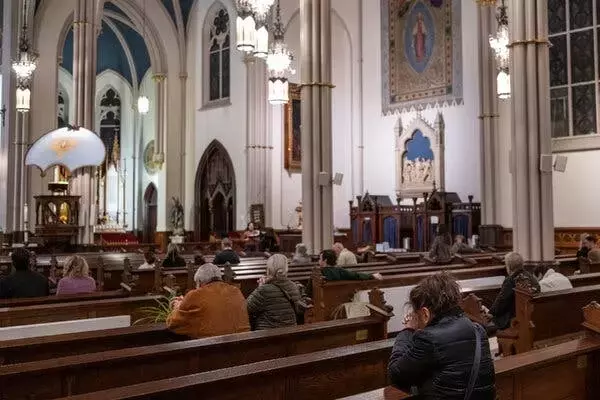
Across the nation, Catholic clergy are voicing profound concerns regarding the current administration's rigorous immigration enforcement strategies. During weekend services, homilies often focused on the humanitarian consequences of widespread deportations, asserting that such measures stand in direct opposition to Christian doctrine. These religious leaders recounted stories of individuals and families devastated by forced removal, emphasizing the moral obligation to offer sanctuary and support rather than implement policies that inflict pain and separation. The call for a more compassionate immigration system resonates deeply within congregations, especially those with significant immigrant populations who directly experience the impact of these policies.
The criticism from Catholic leaders is not merely rhetorical; it is rooted in deeply held theological convictions that prioritize human dignity and mercy. Many priests, like Rev. Alex Santora in Hoboken, N.J., shared personal anecdotes of immigrants who, despite contributing significantly to their communities, faced severe legal repercussions for minor past infractions, leading to family separation and loss of livelihood. The sentiment expressed is that Jesus Christ would not endorse such actions, labeling them as immoral. This reflects a broader theological stance that challenges policies viewed as dehumanizing and lacking in empathy, stressing that true justice must always be tempered with compassion and understanding for all individuals, regardless of their legal status.
The Church's Call for Compassion and Justice
The United States Conference of Catholic Bishops has officially condemned the "indiscriminate mass deportation of people," marking a significant and rare collective statement on immigration policy. This unified stance reflects deep-seated anxieties within the Church concerning the escalating number of deportations and the distressing conditions in detention centers, as well as the increasingly hostile rhetoric surrounding immigrants. The bishops emphasized the importance of safeguarding human dignity and ensuring access to pastoral care for all, reiterating that while a state has the right to manage its borders, its laws must always be guided by principles of compassion and justice. This powerful message urges a re-evaluation of current practices to align them more closely with fundamental ethical and religious values.
The Church's advocacy for immigrants extends beyond formal statements, permeating the sermons and discussions within local parishes. Priests like Rev. Kenneth Boller of St. Francis Xavier in Manhattan highlighted the Church's role as a mother figure, building bridges where walls are erected and seeing children where the world perceives threats. He articulated that the Gospel's message gains credibility only when translated into actions of welcome and closeness, affirming that Christ himself is present in every rejected migrant. This perspective views the issue of immigration not just as a political or legal matter, but as a profound moral and spiritual challenge that requires a response rooted in empathy and a commitment to upholding the inherent worth of every human being, regardless of their origin or circumstances.
