Cartagena Embraces Electric Carriages, Bidding Farewell to Horse-Drawn Buggies
In a significant shift, the charming coastal city of Cartagena, Colombia, is on the cusp of replacing its long-standing horse-drawn carriages with a fleet of modern electric buggies. This decision, set to take effect on December 29, 2025, marks a pivotal moment for the UNESCO World Heritage site, balancing its rich history with contemporary concerns for animal well-being and environmental sustainability. While heralded by animal rights advocates and forward-thinking officials, the change has ignited a passionate debate among the city's traditional carriage operators, who express profound worries about their future.
Cartagena's Timeless Streets Witness a Modern Transformation
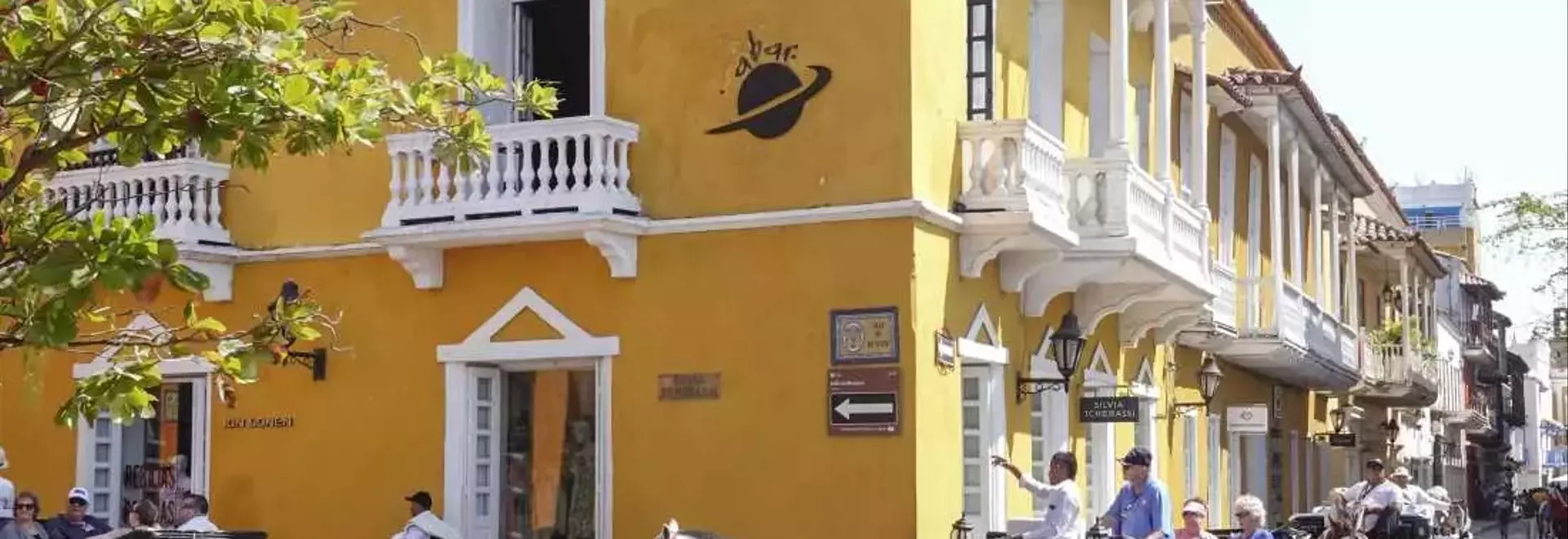
For centuries, the historic heart of Cartagena, a jewel nestled on Colombia's Caribbean coast, has captivated visitors with its sun-drenched plazas, narrow cobblestone streets, and magnificent colonial architecture, all protected by formidable stone walls. A quintessential part of this allure has been the horse-drawn buggies, whose rhythmic clip-clop through the ancient thoroughfares offered tourists a romantic and immersive journey into the city's past. However, a new chapter is about to begin, as the municipal government champions a transition to eco-friendly electric vehicles, citing animal welfare as the primary catalyst.
This initiative, driven by years of advocacy from animal rights organizations, addresses growing concerns about the conditions faced by horses navigating the bustling city streets. Activists, including local figure Fanny Pachon, have consistently highlighted the physical strain on these animals, pointing to incidents of exhaustion and injuries sustained on paved roads. Bogota-based comedian Alejandro Riaño has been a vocal proponent of this change, even crowdfunding to develop a prototype electric carriage that mirrors the traditional design while operating on battery power. This prototype was successfully trialed two years prior, demonstrating the feasibility of a modern alternative.
The city's administration, in collaboration with Corpoturismo, the local tourism promotion agency, has invested approximately 2 million dollars in acquiring 62 electric carriages from China and establishing a solar-powered charging station. Liliana Rodriguez, director of Corpoturismo, envisions Cartagena's pioneering step as a model for other global cities still utilizing horse-drawn transport. These new vehicles, designed with large wheels and open tops akin to their predecessors, can travel up to 70 kilometers on a single charge and even feature speakers to simulate the sound of horses galloping, blending tradition with technological innovation.
However, this progressive move is not without its challenges. The owners of Cartagena's traditional horse carriages, like Cristian Munoz, who has been a driver for two decades, feel that a vital piece of the city's heritage is being lost. They question their integration into this new system, expressing dissatisfaction with the proposed $10,000 compensation, which they deem insufficient to offset their lost income and investment. Mayor Domek Turbay has accused some owners of hindering negotiations, emphasizing the city's willingness to share profits from the new venture. Despite ongoing tensions and threats of legal action from cart owners, the city plans to offer free rides on the new electric buggies for the initial two months, aiming to ease the transition and introduce the modern experience to tourists.
This transformation underscores a complex interplay between preserving cultural heritage, addressing ethical concerns, and embracing technological advancements for a sustainable future.
The shift from horse-drawn carriages to electric buggies in Cartagena serves as a powerful reminder of the delicate balance between tradition and progress. It forces us to confront uncomfortable questions about animal welfare in tourism and the economic impact of modernization on entrenched livelihoods. This case highlights the importance of inclusive planning and transparent communication when implementing significant societal changes. It also inspires contemplation on how cities worldwide can innovate responsibly, ensuring that their cultural identity evolves gracefully while adhering to contemporary values of compassion and sustainability. The future of Cartagena's iconic tours will undoubtedly offer a new perspective, one that hopefully honors its past while stepping confidently into a more conscious tomorrow.
