California's $750 Million Film and TV Tax Credit Faces New Challenges
California's film and television sector is currently grappling with the unexpected repercussions of a recently enacted state budget law, SB 122, which introduces limitations on business tax credits. This development jeopardizes a significant $750 million annual commitment designed to bolster the industry within the state. The new regulations, particularly those capping tax credit utilization, have sparked considerable concern among industry professionals and unions, who fear a potential exodus of productions and a slowdown in economic recovery. Efforts are now underway to swiftly address these challenges through legislative amendments before the current session concludes.
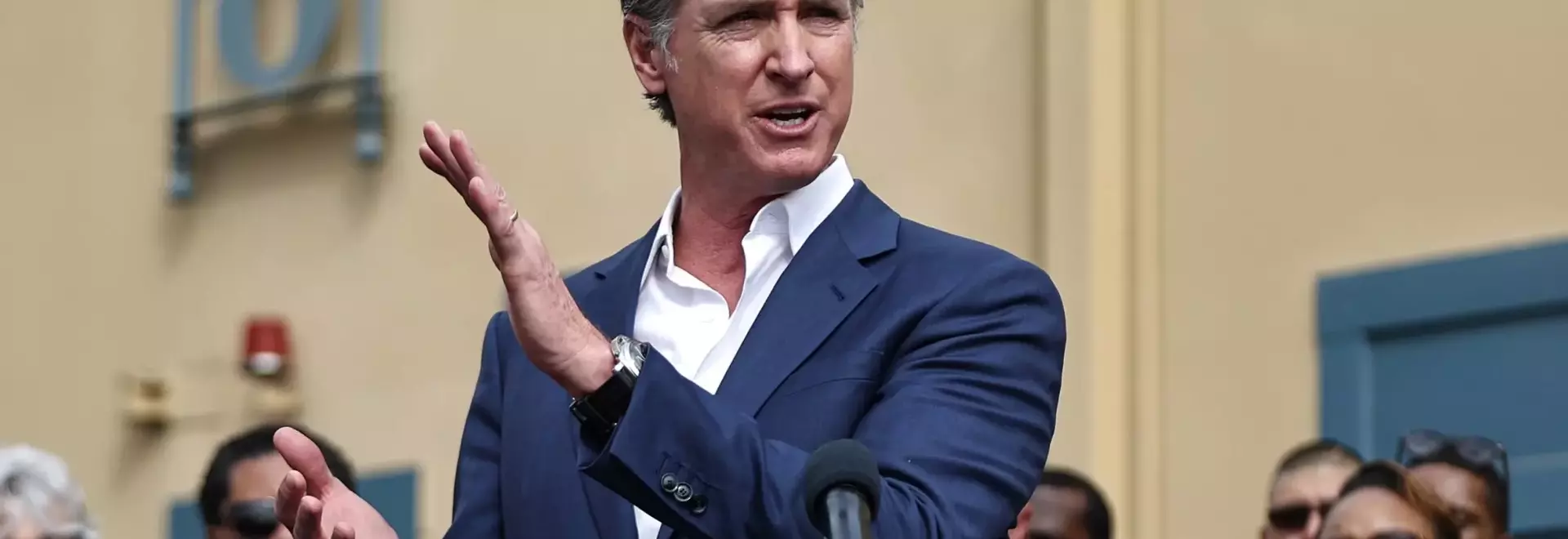
In 2025, California Governor Gavin Newsom signed into law a substantial $420 million expansion of the state's film and television tax incentive program, signaling a robust commitment to the entertainment industry. This boost brought the total annual allocation to $750 million, aiming to keep productions and their associated jobs within California. However, the subsequent passage of budget bill SB 122 on June 29, 2026, introduced unforeseen complexities. This legislation imposes temporary caps on the use of business tax credits exceeding $5 million in any given tax year, with a permanent cap of 70 percent of a taxpayer's liability or $5 million, whichever is greater, taking effect in 2030. Industry advocates argue that these caps effectively delay the realization of tax credit value for major studios, potentially dissuading them from filming in California.
For instance, studios like Paramount and Disney, which have secured tens of millions in tax credits for various projects, now face the prospect of a prolonged payout period. Paramount, awarded $37.7 million for projects such as the Viola Davis thriller 'Ascent' and a 'Clueless' sequel series, would only be able to claim a maximum of $5 million annually under the current SB 122 provisions. Similarly, Disney, with $45 million for an untitled detective series, would experience a significant delay in receiving the full benefit of its credits. This 'slow payout' model is perceived by critics as diminishing the overall attractiveness of California's incentive program, potentially driving productions to states or even countries with more favorable tax structures.
The sudden introduction of these caps has left entertainment organizations feeling blindsided, with some claiming prior assurances that the industry would be exempt. State Assemblymember Rick Chavez Zbur and Senator Ben Allen, key figures in the 2025 tax credit expansion, are now actively working to find a legislative remedy. Zbur acknowledged initial confusion regarding SB 122's details, noting that many legislators believed the film and TV tax credit was excluded. Brigitta Romanov, president of the California IATSE Council, emphasized the critical need for amending SB 122 to ensure that productions continue to choose California, thereby sustaining jobs and the state's economy. The urgency is heightened by broader industry challenges, such as the potential Paramount-Skydance merger and its implications for studio relocation. With the legislative session drawing to a close on August 31, the industry is in a frantic race to secure a solution that protects California's competitive edge in the global entertainment landscape.
The revised tax credit framework has created significant uncertainty within California's entertainment sector, underscoring the delicate balance between state fiscal policy and industry stability. The initial promise of substantial financial incentives is now overshadowed by concerns about their practical application and long-term impact. Stakeholders are emphasizing the necessity of immediate action to safeguard jobs and maintain the state's position as a leading production hub, advocating for an amendment to SB 122 that would alleviate the restrictive caps and restore confidence in the tax credit program.
