Brain Organoids: Advancements and Ethical Complexities in Neural Research
News

Brain Organoids: Advancements and Ethical Complexities in Neural Research

authorBy Rageh Omaar
DateJan 02, 2026
Read Time2 min

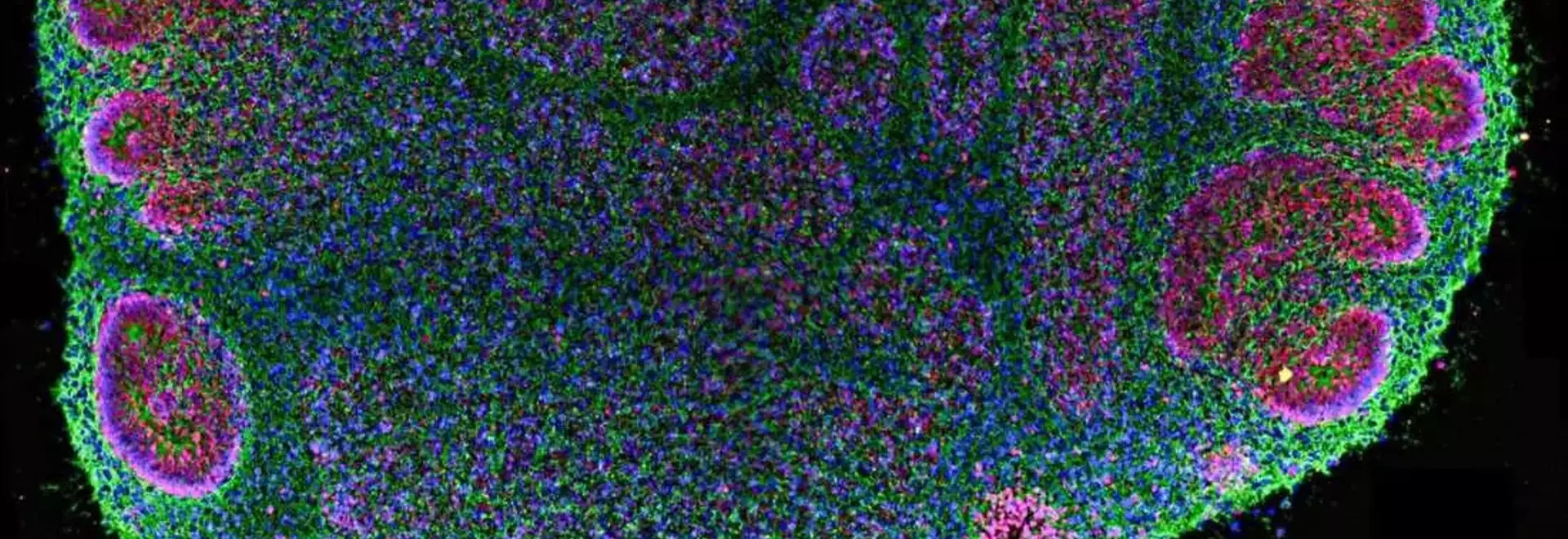
Significant strides are being made in neurological research through the utilization of human brain organoids, which are aggregates of brain cells. These microscopic neural structures are instrumental in studying the intricate development of the human brain and modeling various conditions such as autism, schizophrenia, and even aggressive brain cancers. Scientists are now able to cultivate these organoids for extended periods, observing their growth and interaction, thereby gaining unprecedented insights into brain function and dysfunction.

However, the rapid advancements in organoid technology have sparked considerable apprehension and ethical debate within both the scientific community and the broader public. The concern stems primarily from the profound connection between the brain and our understanding of human identity, consciousness, and the capacity for sensation. Consequently, experts from diverse fields, including researchers, bioethicists, patient advocates, and journalists, convened to deliberate on the appropriate trajectory for this innovative research and to establish ethical guidelines for its responsible continuation.

The discussions at this important conference centered on several critical inquiries, including the ethical implications of implanting human organoids into animal brains and the potential for these organoids to experience pain or even develop consciousness. Furthermore, participants explored the necessity and mechanisms for regulating this cutting-edge research to safeguard against potential misuse or unintended consequences. The consensus underscored the paramount importance of transparent communication with the public, ensuring that society remains well-informed about the capabilities and limitations of organoid research, thereby fostering trust and mitigating public anxiety. This ongoing dialogue seeks to navigate the complex interplay between scientific innovation and societal values, ensuring that research progresses ethically and responsibly.

The journey into understanding the human brain through organoids represents a profound frontier in science, offering immense potential for treating debilitating neurological disorders. While the scientific community grapples with the intricate ethical considerations that accompany such advancements, the commitment to open dialogue, rigorous oversight, and public engagement ensures that this powerful technology is harnessed for the betterment of humanity, paving the way for a future where knowledge leads to healing and understanding.

More Articles
News
A New Lease on Life: The Race Against Time for Baby Luna's Heart Transplant
This article details the critical and intricate process of infant heart transplantation, focusing on the story of Dr. Maureen McKiernan and Baby Luna. It highlights the immense challenges and narrow margins for error in such delicate procedures, where a new heart must be implanted and beating within 90 minutes. The piece also touches upon the high stakes involved, with a significant number of infants not surviving to discharge after receiving a new heart.
By Rageh OmaarJan 01, 2026
News
Warren Buffett Steps Down as Berkshire Hathaway CEO
Legendary investor Warren Buffett has officially retired as CEO of Berkshire Hathaway at 95, handing the reins to Greg Abel. While stepping down from his chief executive role, Buffett will remain as chairman, continuing his involvement with the conglomerate he built over six decades into a global financial powerhouse. This transition marks a significant moment for the company and the broader financial world, even as Buffett assures shareholders of his continued engagement through annual letters.
By Lester HoltJan 01, 2026
News
Zohran Mamdani Becomes New York City's First Muslim Mayor Amidst Political Turmoil
Zohran Mamdani has made history by being sworn in as New York City's 112th mayor, marking a significant milestone as the city's first Muslim leader. His ascent from a state lawmaker to mayor has been remarkable, occurring during a period of heightened political polarization and anti-immigrant sentiment. Despite facing criticism and opposition, Mamdani's campaign, which focused on essential economic issues and affordability, resonated with a diverse electorate, leading to a decisive victory.
By Carl BernsteinJan 01, 2026
News
Phoenix of Hope: Rose Parade Float Commemorates Fire Survivors
A Rose Parade float, meticulously crafted by fire survivors, serves as a poignant symbol of resilience and recovery. Featuring a phoenix rising from blue waves, the float honors victims and offers a therapeutic outlet for those affected by the devastating Eaton and Palisades fires in Los Angeles. It highlights the struggles faced by survivors with insurance and federal aid, while also fostering community healing and raising awareness for ongoing support.
By Anderson CooperJan 01, 2026
News
NYC Mayor's Oath in Historic Subway Station
New York City's incoming mayor, Zohran Mamdani, chose the disused City Hall subway station for his private swearing-in ceremony. This symbolic act underscores his commitment to public transit and the city's working-class heritage, reflecting his campaign pledges for accessible public services. The station, known for its opulent architecture, represents a bygone era of civic ambition and continues to inspire visions of a thriving city for all New Yorkers.
By Isabel AllendeJan 01, 2026