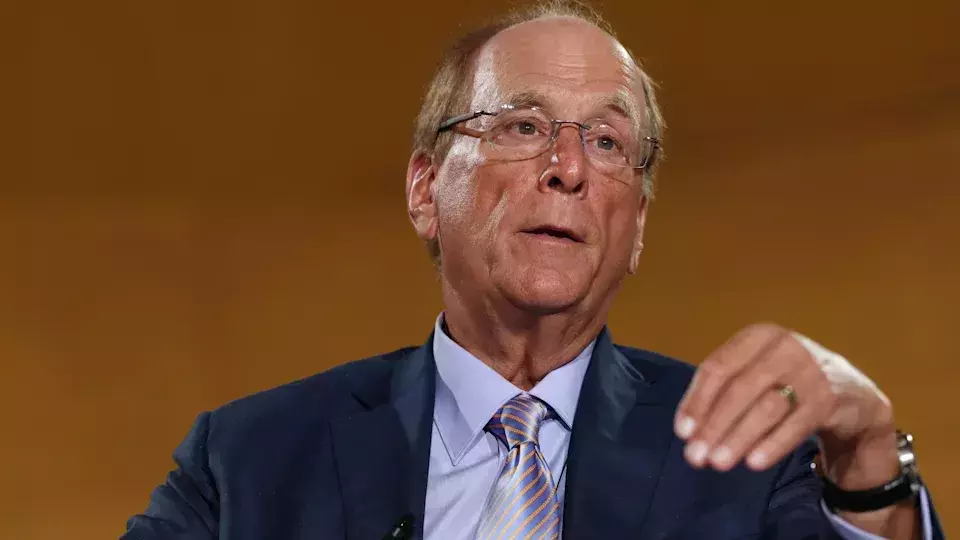
BlackRock CEO Urges Extended Working Life to Address Retirement Crisis
BlackRock CEO Larry Fink has ignited a significant discussion by suggesting that Americans should extend their careers past the traditional age of 65. This recommendation stems from his concern over an impending "retirement crisis" in the United States, exacerbated by a growing elderly population living longer and the increasing strain on the Social Security system. Fink posits that the conventional retirement age, rooted in historical contexts, is no longer suitable for contemporary demographics. However, this viewpoint is met with contrasting opinions, particularly from labor economists who highlight the disparities in life expectancy and the practical challenges many face in continuing employment later in life. The debate underscores a critical need for individuals to proactively manage their financial futures, especially given the uncertainties surrounding national retirement programs.
Larry Fink's proposition, articulated in his 2024 letter to shareholders, is a direct response to the demographic shifts observed in the U.S. He emphasizes that the number of Americans aged 65 and older is projected to rise dramatically, from 58 million in 2022 to 82 million by 2050, representing a 42% increase. This surge in the elder population means more people are drawing benefits for longer periods, putting immense pressure on the Social Security system, which could face depletion as early as late 2032. Fink suggests that diversifying a portion of Social Security funds into a mix of stocks and bonds, rather than solely relying on U.S. Treasury bonds, could offer a more sustainable financial model. His argument is that the system, while effective at poverty prevention, doesn't adequately support wealth growth in alignment with the nation's economic expansion.
Conversely, prominent labor economist Teresa Ghilarducci challenges Fink's broad recommendation to raise the retirement age. She points out that the narrative of universal increased longevity is flawed, as life expectancy varies considerably across different segments of the American population. Factors such as race, ethnicity, income, and geographic location can lead to a difference of up to 20 years in life expectancy. Ghilarducci argues that many individuals are not able to simply choose to work longer; instead, they are often compelled into early retirement due to health issues, caregiver responsibilities for spouses, or job loss. A 2025 report from the Transamerica Center for Retirement Studies supports this, indicating that a significant percentage of retirees leave the workforce earlier than planned, often for reasons beyond their financial readiness.
Given these complexities, individuals are encouraged to take proactive measures to fortify their financial standing for retirement. Seeking advice from a professional financial advisor can be a crucial first step, as research suggests such guidance can significantly boost net returns over time. Investing in diversified exchange-traded funds (ETFs) and exploring alternative assets like gold, which can act as a hedge against inflation and market volatility, are also recommended. Furthermore, building a robust emergency fund in a high-yield account is essential to cover unexpected expenses and reduce reliance on Social Security, particularly as medical costs tend to rise with age. These strategies aim to provide greater financial resilience and autonomy in planning for the later stages of life.
The discussion initiated by BlackRock's CEO highlights the urgent need for both systemic reforms and individual preparedness concerning retirement. While policymakers grapple with the sustainability of Social Security and other public benefits, individuals must actively engage in personal financial planning. This includes consulting with financial experts, diversifying investment portfolios to mitigate risks, and establishing strong savings for unforeseen circumstances. Ultimately, securing a comfortable retirement in an evolving economic landscape demands a multi-faceted approach, combining strategic investments with prudent savings habits to build a resilient financial foundation.
