Beyond Profanity: Nurturing Empathy Over Etiquette in Parenting
ParentsKids

Beyond Profanity: Nurturing Empathy Over Etiquette in Parenting

authorBy Nigel Latta
DateJan 27, 2026
Read Time2 min

When reflecting on the nuances of parenting, a recent incident highlighted a common dilemma: my daughter, in a moment of frustration, used a mild expletive. This wasn't entirely unexpected, given she had previously heard me utter a similar term in response to a careless driver. My reaction wasn't one of shock, but rather a quiet amusement at her earnest delivery, prompting me to consider the broader implications of language use in child development.

My partner and I don't habitually use profanity, yet these words occasionally emerge in our conversations. As someone who appreciates the richness of vocabulary, I recognize that while many situations can be described with a wide array of adjectives, some moments just seem to demand a more potent expression. This past year, in particular, has presented numerous occasions where such language felt almost fitting. My own upbringing instilled a strong aversion to 'bad language,' extending even to innocent terms. However, I observed that individuals who meticulously avoided profanity weren't always those who demonstrated the best character. This led me to question whether societal emphasis on avoiding certain words sometimes overshadows the deeper importance of one's actions and true character.

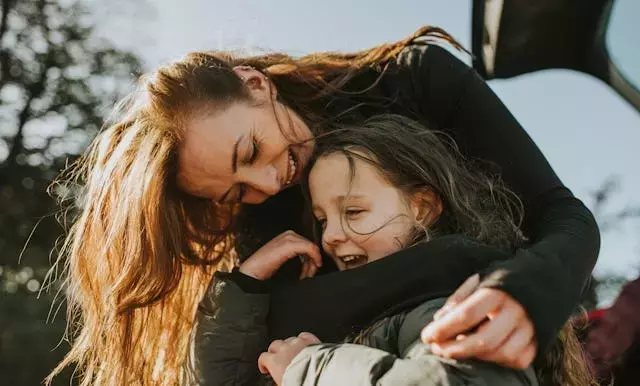
While I aim to guide my daughter in understanding appropriate contexts for language, such as refraining from using strong words at school or with grandparents, I wouldn't penalize her for an occasional slip-up. Our primary focus is on teaching her to be a compassionate and respectful individual. The words I truly wish she would encounter less frequently are those that are derogatory, prejudiced, or bigoted. These are the terms we actively discourage, as they possess the power to inflict emotional wounds on others and erode self-esteem. It's striking how often she encounters such harmful language outside our home, in media and peer interactions, yet these words, unlike traditional 'bad words,' rarely provoke societal outcry, despite their profound capacity for damage. Ultimately, my aspiration is to cultivate a child who embodies kindness and integrity, rather than simply one who avoids certain vocabulary. The true measure of a person lies not in their linguistic purity, but in their treatment of others.

In essence, fostering a child who prioritizes genuine respect and kindness over mere adherence to linguistic norms is paramount. True character is reflected in how we interact with and uplift others, far more than in the precise words we choose. By focusing on empathy, integrity, and the constructive impact of our actions, we can raise individuals who contribute positively to the world, rather than those who simply conform to superficial standards of propriety.

More Articles
ParentsKids
Josie Grossie in 'Never Been Kissed' as a Modern Icon
This article re-evaluates Josie Geller from the 1999 film 'Never Been Kissed,' suggesting that her 'dorky' attributes would make her a 'cool girl' in 2026. It explores how her intelligence, authenticity, and unique hobbies align with contemporary trends like TikTok and 'granny hobbies,' highlighting her timeless appeal and progressive character.
By Tiffany JewellJan 26, 2026
ParentsKids
Disney Marathon: A Family's Journey of Running and Life Lessons
This article shares a personal account of a mother's journey from an avid runner to participating in a Disney World Marathon Weekend with her children. It highlights the challenges overcome during training and the unexpected life lessons learned by the family, emphasizing perseverance, goal-setting, and accountability through the lens of a shared running experience at a magical location.
By Jessica LaheyJan 26, 2026
ParentsKids
Understanding Postpartum Depression's Impact on Maternal Bonding
Many new mothers find themselves feeling disconnected from their newborns, despite extensive preparation and high expectations. This feeling, often surprising and distressing, can be a sign of postpartum depression (PPD). This article explores the nature of PPD, its multifactorial causes, the experiences of mothers suffering from it, and why they often feel isolated. It also provides actionable strategies for seeking support, engaging in self-care, and fostering a stronger bond with their baby, emphasizing that seeking help is a sign of a good mother.
By Kim John PayneJan 26, 2026
ParentsKids
Mastering Co-Regulation: A Guide to Nurturing Emotional Intelligence in Children
This article explores the concept of co-regulation in parenting, highlighting its importance in helping both parents and children navigate challenging emotional moments. It emphasizes empathetic connection, modeling healthy emotional responses, and adapting strategies for different age groups, ultimately fostering resilient and emotionally intelligent individuals. The piece also addresses the misconception that parents must always be perfectly calm, advocating for authentic emotional expression and self-regulation.
By Emily OsterJan 26, 2026
ParentsKids
65 Ingenious Gadgets You Never Knew You Needed
Discover a curated selection of 65 unexpectedly useful items designed to simplify daily life. From innovative personal care products to clever home organization solutions, these unique gadgets address common annoyances with surprising ingenuity. Prepare to be amazed by their practicality and potential to enhance your routines.
By Tiffany JewellJan 26, 2026