Bentley Adjusts EV Strategy, Continues Internal Combustion Engine Production
Cars

Bentley Adjusts EV Strategy, Continues Internal Combustion Engine Production

authorBy Michele Acquaragia
DateSep 24, 2026
Read Time2 min

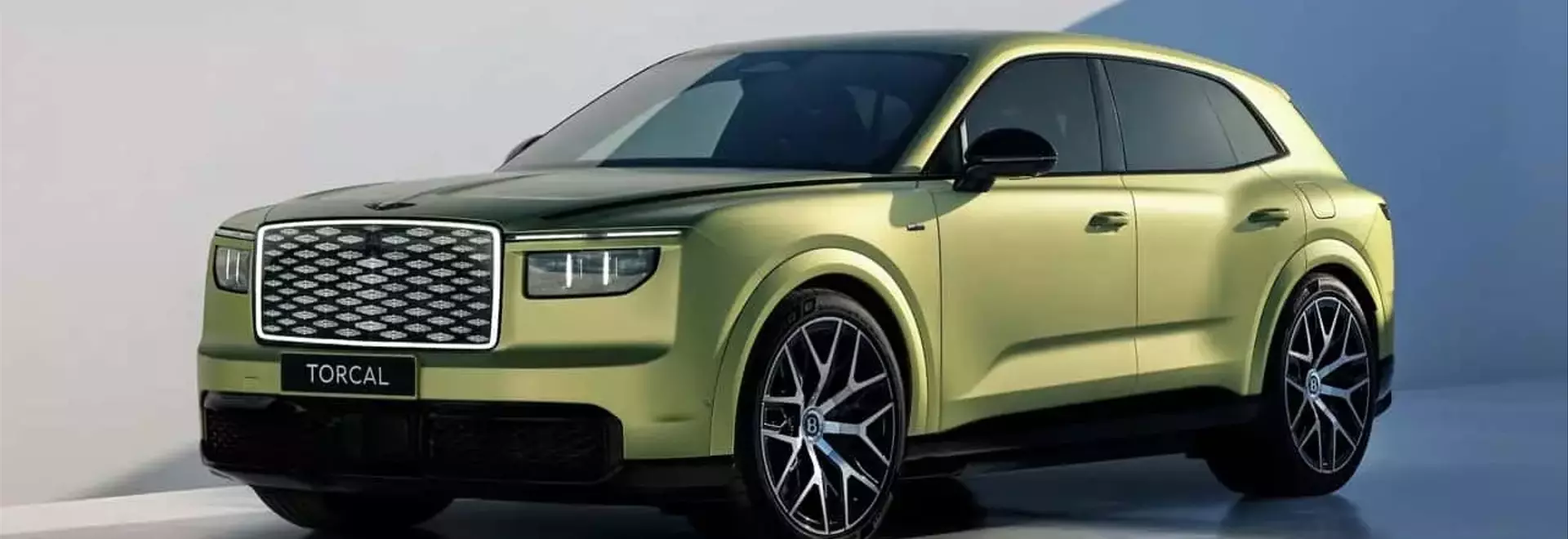
Bentley has significantly altered its electrification plans, retracting its ambitious goal to transition entirely to electric vehicles by 2030. Frank-Steffan Walliser, Bentley's CEO, candidly stated that the previous strategy, formulated six years ago, no longer aligns with current market realities. This adjustment comes as the brand introduces its first all-electric model, the Torcal, signaling a more pragmatic approach to its future lineup. The company will maintain production of its conventional combustion engine and hybrid vehicles for the foreseeable future, responding to shifts in consumer preference and regulatory frameworks.

The debut of the Torcal, an electric SUV boasting up to 876 horsepower, a 113-kWh battery, and an 800-volt electrical system with rapid DC charging, marks Bentley's entry into the electric segment. Despite this innovation, the broader narrative is Bentley's decision to retain its traditional and hybrid offerings. Walliser emphasized the need for increased flexibility in their strategies due to unpredictable planning and constantly changing regulations. This revised 'Beyond100+' plan now targets a fully electric portfolio by 2035, extending the availability of plug-in hybrids alongside battery electric models for a longer duration than initially envisioned. This move reflects a broader trend among luxury automakers, with Rolls-Royce also re-evaluating its own electric vehicle transition timeline.

The strategic re-evaluation also impacts the rollout of Bentley's electric models, with the Torcal experiencing an approximate one-year delay. This delay is attributed to market uncertainties, shifting regulations, and a slower-than-anticipated growth in demand for high-end electric vehicles. Bentley plans to manufacture electric and plug-in hybrid models on the same assembly lines, allowing production volumes to be adjusted based on customer orders. The Torcal, scheduled for a US market launch early next year after its September 2026 unveiling, will be a standalone electric model built on a dedicated EV platform, with no hybrid variant planned. Subsequent Bentley electric vehicles are not expected until the next decade, likely utilizing a version of the Volkswagen Group's upcoming SSP architecture. This phased approach highlights the brand's commitment to balancing innovation with market demands, ensuring that gasoline and hybrid Bentleys will continue to be produced well into the next decade.

Bentley's recalibrated strategy demonstrates an adaptive mindset in a dynamic automotive landscape. By prioritizing flexibility and customer-driven demand, the company navigates the complexities of electrification while maintaining its legacy of luxury and performance. This balanced approach allows Bentley to embrace innovation with models like the Torcal, while thoughtfully managing its transition and catering to a diverse customer base.

More Articles
Cars
Volkswagen Expands ID. Buzz Cargo: Longer Wheelbase and Enhanced Capabilities
Volkswagen Commercial Vehicles has unveiled an extended version of its ID. Buzz Cargo, increasing its wheelbase by 250 millimeters to boost cargo capacity. This electric van now offers improved practicality with a standard second sliding door, an upgraded battery, and the return of physical steering wheel buttons. Additionally, it features advanced driver-assistance systems and vehicle-to-load functionality, making it a more versatile option for commercial use.
By Simona De SilvestroSep 24, 2026
Cars
Bentley Torcal: A Glimpse into the Future of Luxury Electric Vehicles
Bentley introduces the Torcal, its inaugural electric vehicle, marking a significant departure from its traditional internal combustion engine lineup. While retaining some signature design elements, the Torcal's interior showcases a blend of familiar luxury and groundbreaking innovation, featuring meticulously handcrafted materials, advanced ambient lighting, and physical controls. This new model also debuts Bentley's refreshed logo and is expected to be more accessible than the Bentayga.
By Simona De SilvestroSep 23, 2026
Cars
Nissan Unveils Z Kaze Concept with Classic '90s Tuner Style
Nissan's new Z Kaze concept car masterfully blends vintage aesthetics with modern performance. Featuring a distinctive T-top roof, reminiscent of iconic Z models, and an eye-catching Pacific Teal finish, this concept pays homage to the vibrant tuner culture of the 1990s. Enhanced with NISMO suspension and GReddy engine modifications, the Z Kaze is a powerful fusion of nostalgia and contemporary engineering.
By Dan NeilSep 23, 2026
Cars
Bentley's First Electric SUV: The 2028 Torcal S Redefines Luxury Performance
Bentley introduces its inaugural all-electric SUV, the 2028 Torcal, showcasing a blend of luxury and electric performance. Sharing its platform with the Porsche Cayenne Electric, the Torcal boasts a distinctive design and innovative features. The top-tier Torcal S variant delivers an impressive 876 horsepower and 996 pound-feet of torque, accelerating from 0 to 60 mph in a mere 2.8 seconds, making it Bentley's most powerful and quickest production vehicle to date.
By Jeremy ClarksonSep 23, 2026
Cars
BMW X3 M50 vs. Mercedes-AMG GLC53: A Compact Luxury SUV Showdown
This article details a head-to-head comparison between the 2026 BMW X3 M50 xDrive and the 2027 Mercedes-AMG GLC53, two compact luxury SUVs designed for enhanced performance and utility. It examines their redesigned features, pricing, optional packages, and interior appointments. The piece also delves into their powertrains, performance metrics such as acceleration and braking, and overall driving experience, ultimately declaring a winner in this long-standing automotive rivalry. The comparison highlights both similarities and key differences that set these vehicles apart in the competitive luxury SUV market.
By Akira MarutaSep 23, 2026