Atkore Inc. (ATKR): A Promising Investment in Electrical Infrastructure Amidst AI and Electrification Boom?
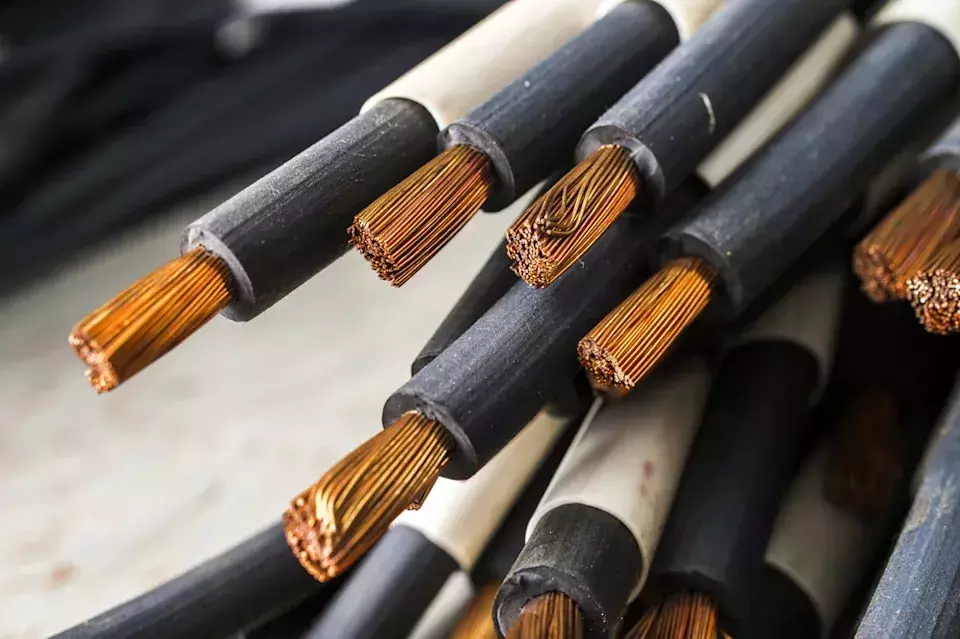
Atkore Inc. (ATKR) stands as a pivotal player in the electrical infrastructure sector, primed for substantial growth. The company manufactures essential components such as conduit, cable, and metal framing, which are indispensable for protecting and routing electrical wiring across diverse environments, including commercial buildings, industrial facilities, burgeoning data centers, and renewable energy installations. A recent bullish analysis underscores ATKR's strategic advantage, linking its future success to the escalating demands of artificial intelligence and cloud computing, which are fueling unprecedented investments in data center development and the broader electrification movement. The company's operational streamlining and focus on high-value core products, coupled with favorable market dynamics like reduced steel conduit imports, position it for sustained profitability and increased shareholder value, despite potential fluctuations in raw material costs.
Atkore Inc. Poised for Growth Driven by Data Centers and Electrification Trends
On a bright Sunday, June 21, 2026, Ricardo Pillai shed light on the promising outlook for Atkore Inc. (ATKR), a company whose stock was trading at $79.25 as of June 15th, reflecting trailing and forward P/E ratios of 19.93 and 13.37, respectively. The core of Atkore's growth strategy lies in its integral role within the rapidly expanding infrastructure landscape. The escalating need for data centers, driven by advancements in artificial intelligence and cloud computing, creates a significant demand for Atkore's specialized electrical infrastructure products. These products, though often unseen, are vital for ensuring reliable power distribution in every modern construction project.
Beyond the immediate impact of data center expansion, Atkore is also benefiting from broader societal shifts towards electrification, a robust nonresidential construction market, and the increasing deployment of solar energy solutions. These trends collectively necessitate substantial electrical infrastructure, directly boosting demand for Atkore's product portfolio. The company's management has proactively enhanced its market position by optimizing operations and concentrating resources on its most valuable electrical offerings. Furthermore, a notable decrease in steel conduit imports, particularly from Mexico, is expected to enable domestic manufacturers like Atkore to capture a larger market share, thereby strengthening its competitive stance.
While the company faces potential challenges from fluctuating prices of raw materials such as copper and aluminum, the overarching market environment remains highly favorable. Atkore's exposure to several long-term growth catalysts, including significant AI infrastructure spending, critical power grid investments, the expansion of renewable energy, and ongoing commercial construction activities, ensures a clear path to enhanced earnings, robust cash generation, and considerable long-term upside for its shareholders.
The insights into Atkore Inc. present a compelling narrative about the synergy between technological advancement and foundational infrastructure. It highlights how seemingly unassuming components are becoming the linchpin for the next wave of industrial and technological progress. For investors and industry observers, Atkore serves as a case study in how a company can strategically align its offerings with macro-economic and technological trends to achieve substantial and sustainable growth. This reinforces the idea that true innovation often relies on robust, reliable, and foundational infrastructure, making companies like Atkore indispensable in the evolving global economy. It's a reminder that beneath the dazzling innovations of AI and cloud computing, there are critical, tangible layers of infrastructure that make it all possible.
