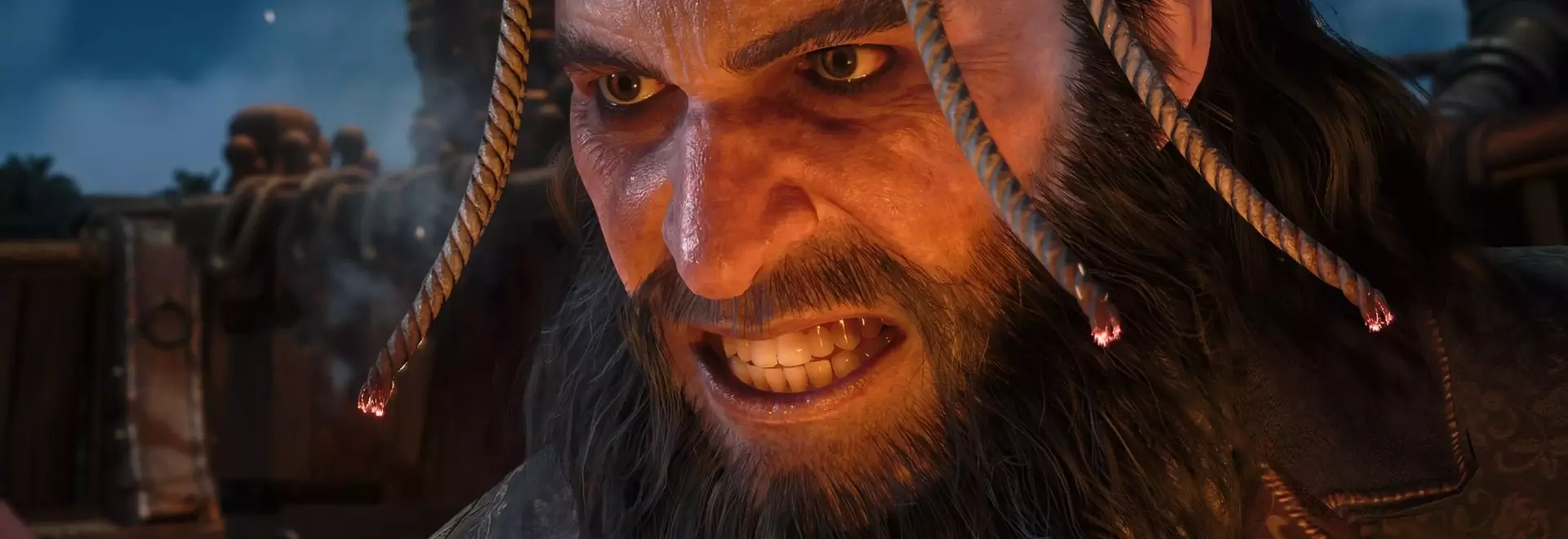
Assassin's Creed Black Flag Resynced: A Critical Look at Remake Reception
Ubisoft's latest venture, Assassin's Creed Black Flag Resynced, has ignited a fervent discussion within the gaming community and among critics. The title, a modernized iteration of the 2013 classic, has garnered commendation for its underlying game quality, yet simultaneously faces considerable skepticism regarding its status as a remake. This mixed reception underscores a growing sentiment within the industry concerning the prevalence of remakes and their impact on innovation. While many acknowledge the original game's enduring appeal, the updated version has prompted a deeper examination of what constitutes a successful remake and whether such projects truly advance the gaming landscape or merely capitalize on nostalgia. Critics' diverging opinions highlight a broader anxiety about the industry's direction, particularly its increasing reliance on re-releasing past successes.
The debate surrounding Assassin's Creed Black Flag Resynced extends beyond mere graphical updates, delving into fundamental questions about game design, player experience, and industry trends. Reviewers are split between celebrating the refreshed experience of a beloved title and questioning the deeper implications of a market saturated with reimagined classics. This internal conflict among critics reflects a larger conversation about the balance between preserving gaming history and fostering new creative endeavors. The remake's reception thus becomes a microcosm of the video game industry's current challenges, reflecting both its capacity for technical marvel and its struggle with creative stagnation. The discourse surrounding Resynced is not just about one game, but about the future trajectory of game development and consumer expectations.
The Dual Reception of a Revitalized Classic
The reimagined Assassin's Creed Black Flag Resynced has received a bifurcated reception from critics. While the core experience, inherited from the acclaimed 2013 original, continues to impress, the alterations introduced in this remake have become a point of contention. Some reviewers extol Resynced as the pinnacle of remake artistry, suggesting its enhancements elevate an already masterpiece-level game to new heights. They commend the visual fidelity, refined combat mechanics, and new narrative elements, positioning it as an exemplar for future remakes. However, an equally vocal contingent expresses reservations, arguing that certain changes detract from the original's essence, creating new issues where none existed before and questioning the overall necessity of such a comprehensive overhaul.
This divergence in opinion is stark, with aggregate scores like Metacritic's 84 and OpenCritic's 87 reflecting a general appreciation for the underlying game, yet masking the nuanced debate about the remake's specific contributions. Enthusiastic reviews highlight specific improvements, such as additional quests and a reworked endgame, suggesting these elements enrich the pirate-adventure experience. Conversely, skeptical critiques point to decisions like the modification of the modern-day framing device or fundamental alterations to established gameplay mechanics as missteps that dilute the classic's integrity. This mixed critical landscape underscores the challenge of balancing innovation with preservation when revisiting a revered title, leading to a vibrant discussion about the delicate art of game remaking.
Navigating the Treacherous Waters of Remake Fatigue
Beyond the immediate assessment of Assassin's Creed Black Flag Resynced, a more profound concern has emerged within the industry: the palpable sense of "remake fatigue." This sentiment reflects a growing unease among critics and players alike regarding the video game industry's increasing reliance on re-releasing past successes rather than investing in novel creations. While Resynced undoubtedly benefits from the strong foundation of its predecessor, its existence as yet another remake prompts fundamental questions about innovation, creative risks, and the long-term health of game development. This phenomenon suggests a potential lack of fresh ideas or an over-reliance on established intellectual property, leading to a perceived stagnation in new gaming experiences.
This critical observation extends beyond Resynced to encompass the broader trend of nostalgic releases, highlighting a perceived risk aversion among major publishers. Critics articulate a worry that this continuous revisiting of older titles, however well-executed, could signal a future where original concepts are sidelined in favor of guaranteed commercial successes based on existing fanbases. The success of a remake like Resynced, while individually laudable, inadvertently fuels this debate, forcing a critical examination of what it means for the industry when its most anticipated releases are often retreads of past glories. This fatigue represents a call for greater creativity and forward-thinking development, urging the industry to explore uncharted territories rather than continuously sailing back to familiar shores.
