Affordable Kitchen Upgrades: Ditch Plastics for Healthier Alternatives
In an era where environmental consciousness is paramount, many are seeking to minimize their exposure to microplastics, particularly within the sanctity of their homes. This article highlights practical and economical approaches to transform your kitchen into a safer, more sustainable space. By replacing everyday plastic items with thoughtful alternatives, you can significantly reduce microplastic contamination in your food preparation and storage. The focus is on accessible swaps that are not only beneficial for health but also kind to your wallet, with each recommended item costing $20 or less.
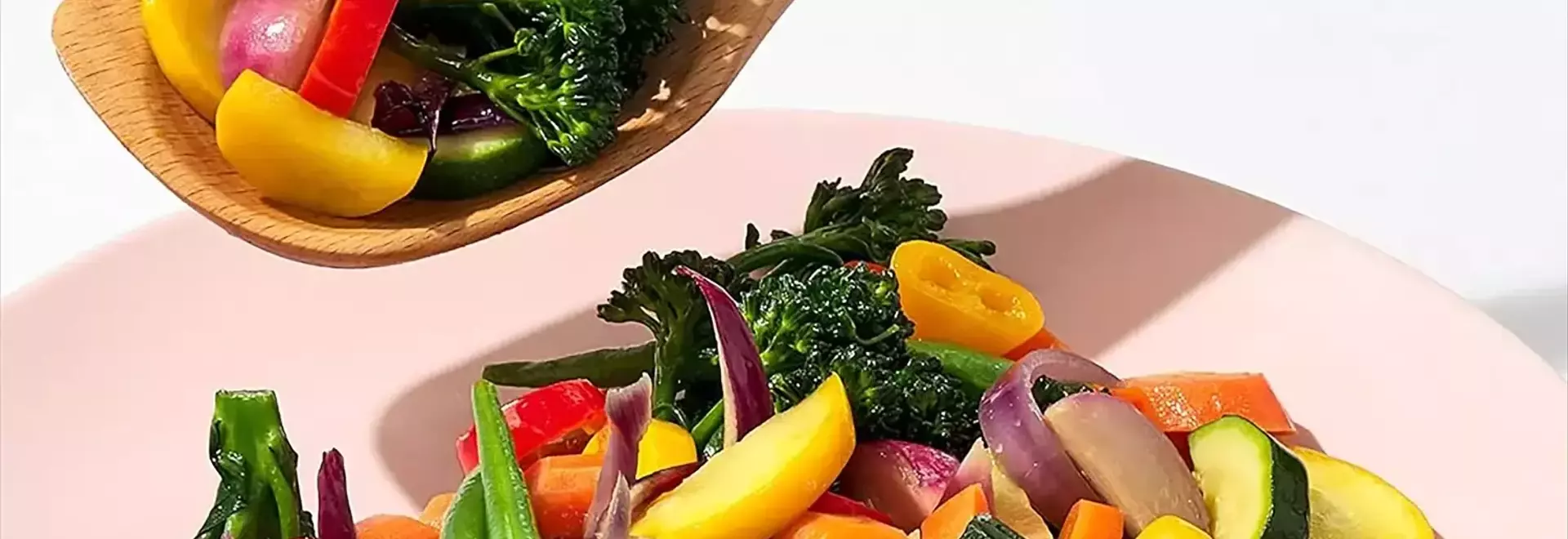
A significant area for improvement lies in the utensils we use daily. Plastic kitchen tools, while convenient, are prone to shedding microparticles that can inadvertently end up in our meals. A simple yet effective change is to embrace wooden utensils. For instance, a well-designed wooden corner spoon offers the same functionality as its plastic counterpart, easily reaching into corners and doubling as a serving tool. These durable and versatile items, often available for under $10, represent a smart investment in a plastic-free kitchen.
Cutting boards are another major source of microplastic shedding. The repeated impact of sharp knives on plastic surfaces inevitably leads to degradation and the release of tiny plastic fragments. Switching to wooden or bamboo cutting boards is an excellent solution. These natural alternatives are not only more durable but also inherently safer. Many options come in multi-packs, providing various sizes for different culinary tasks at an affordable price, often making them less than $5 each.
When it comes to food storage, glass jars stand out as a superior alternative to plastic containers. Their airtight seals make them ideal for preserving the freshness of both liquids and dry ingredients, from homemade dressings and jams to nuts, seeds, and flours. Glass jars are exceptionally long-lasting and can be reused countless times, offering immense value over their lifespan. A set of three 32-ounce mason jars can be purchased for around $20, providing an enduring, non-toxic storage solution.
For cooking, transitioning from Teflon-coated pans to cast-iron cookware is a crucial step in avoiding microplastics. Teflon, a type of plastic, can degrade over time, posing health concerns. Cast-iron pans, like those from Lodge, are celebrated for their longevity and excellent cooking performance. While they require a bit more maintenance, a well-seasoned cast-iron skillet can last a lifetime, eliminating the need for frequent replacements of nonstick pans and ensuring a healthier cooking surface. An 8-inch cast-iron skillet can be an affordable upgrade, often found for under $20.
Even seemingly innocuous items like dish brushes can contribute to plastic pollution. Traditional plastic sponges and brushes release microplastics with every use. A sustainable alternative is a natural fiber brush, such as one made with bamboo handles and sisal bristles (derived from agave plants). These eco-friendly brushes are effective for cleaning and often come with replaceable heads, making them a practical and environmentally conscious choice for kitchen hygiene.
Finally, replacing single-use plastic bags with reusable silicone bags is an impactful way to reduce both waste and microplastic exposure. Brands like Stasher offer highly durable, airtight, and versatile silicone bags that can be used repeatedly for storing snacks, marinating food, or even cooking sous vide. These bags are scientifically recommended for their stability and safety, providing a robust solution for food storage that contributes to a healthier environment and a plastic-free kitchen, with individual snack-size bags typically costing around $10.
Embracing these small, intentional changes can lead to a significant reduction in microplastic exposure and foster a more mindful approach to food and environmental health. By choosing sustainable, non-toxic alternatives for essential kitchen items, you invest in your well-being and contribute to a healthier planet. These accessible and affordable swaps make it easier than ever to embark on a journey toward a plastic-free kitchen.
