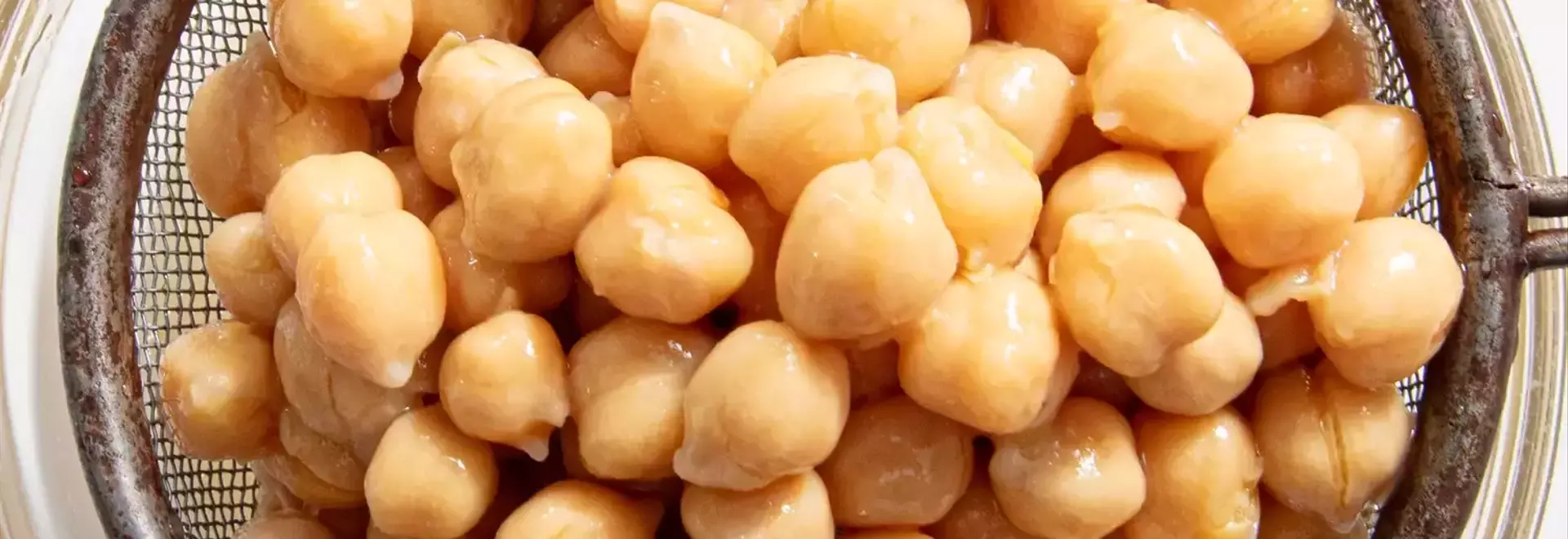
Achieving Perfect Bean Softness from Canned Legumes
Canned legumes are a kitchen staple, lauded for their convenience in busy households. They eliminate the lengthy soaking and cooking times typically associated with dried beans, making them ideal for quick meals. However, despite their ready-to-use nature, canned varieties often fall short in achieving the exceptionally soft texture that certain recipes demand. This disparity is particularly noticeable in dishes requiring creamy purées or extremely tender additions. Fortunately, culinary techniques exist to enhance the softness of these convenience foods, allowing them to meet higher textural standards without sacrificing ease of preparation.
A primary factor contributing to the firmness of many canned beans is the inclusion of calcium chloride during their processing. This additive plays a crucial role in preventing the beans from breaking down excessively during canning, thus maintaining their visual appeal and structural integrity. While this ensures a neat product, it also results in a texture that can be too resistant for delicate preparations. The article delves into practical strategies for overcoming this firmness, specifically highlighting the efficacy of baking soda and the utility of a pressure cooker. Each method offers distinct advantages and considerations, guiding home cooks toward achieving the perfect tender bean for any culinary application.
The Impact of Calcium Chloride on Canned Beans
Canned legumes, a pantry staple for their convenience, frequently present a challenge when extreme tenderness is required for recipes like smooth purées or delicate braises. This textural discrepancy often stems from the canning process itself, particularly the addition of calcium chloride. Manufacturers incorporate this compound to maintain the beans' structural integrity, preventing them from splitting or becoming mushy, which improves their visual appeal and reduces starch leakage. Different brands may vary in their processing methods, leading to different levels of firmness in the final product.
Research into various brands reveals a clear correlation between the presence of calcium chloride and increased bean firmness. This additive interacts with the pectin in the bean's cell walls, forming a heat-resistant network that prevents the beans from breaking down during cooking. While beneficial for maintaining shape, this mechanism also makes the beans resistant to softening, necessitating additional steps to achieve a desired tender consistency. Understanding this chemical interaction is key to effectively modifying canned beans for specific culinary needs.
Techniques for Tenderizing Canned Beans
To overcome the inherent firmness of canned beans, particularly those treated with calcium chloride, several effective methods can be employed. These techniques are especially valuable when aiming for silky smooth purées or melt-in-your-mouth braises. One highly efficient approach involves the use of baking soda. This common household ingredient works by facilitating an ion exchange, replacing the stiff calcium ions in the beans with more flexible sodium ions. Concurrently, baking soda creates an alkaline environment that breaks down the glycosidic bonds within the bean's pectin molecules, yielding a significantly softer texture.
For optimal results with baking soda, a small quantity—typically half a teaspoon per 1.5 cups of beans—is sufficient. Simmering the beans with baking soda for about five to seven minutes allows them to absorb the compound and begin softening, with skins becoming wonderfully pliable. Beyond this timeframe, prolonged boiling can lead to disintegration, resulting in a sludgy consistency. It's advisable to drain and discard the baking soda liquid due to its slightly soapy taste, and then combine the tenderized beans with fresh liquid or their original canning liquid if needed for the recipe. An alternative tenderizing method is using a pressure cooker. While it offers a hands-off approach and can infuse flavors with aromatics, it doesn't significantly reduce overall cooking time compared to cooking dried beans from scratch. Combining baking soda with a pressure cooker is generally not recommended, as it can lead to excessively mushy beans.
