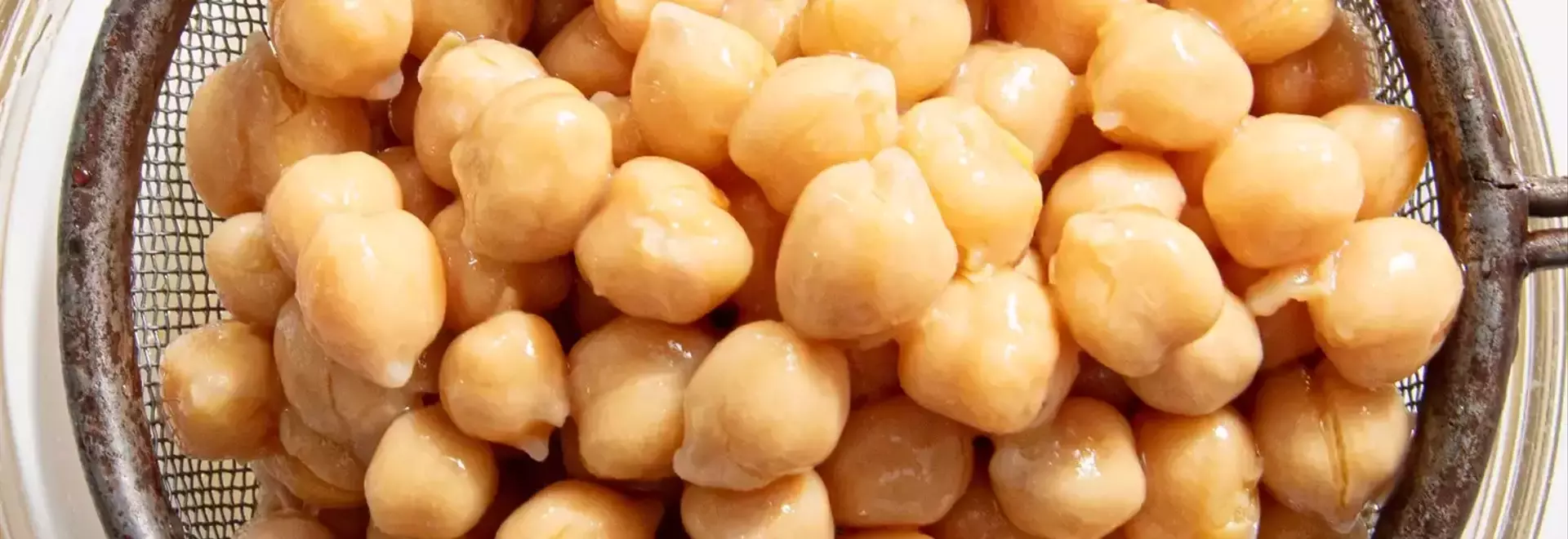
Achieving Ideal Tenderness: A Guide to Softening Canned Chickpeas and Other Beans
Canned beans are a convenience marvel in the culinary world, offering quick solutions for busy kitchens. However, achieving the ultra-soft texture desired for dishes like silky hummus or meltingly tender braises can be a challenge due to additives like calcium chloride. This article delves into the science behind bean firmness and presents practical methods, notably using baking soda, to transform firm canned legumes into perfectly tender ingredients, enhancing the quality of your cooking without sacrificing convenience.
The Quest for Ultimate Bean Tenderness: Unlocking the Secrets of Canned Legumes
For cooks aiming to elevate their bean-based dishes, the journey to perfectly tender legumes often begins with understanding the nuances of canned varieties. While ready-to-use, canned beans frequently fall short of the desired creamy consistency for gourmet preparations like hummus or refried beans. The culprit? Calcium chloride, an additive commonly used by food manufacturers to help beans retain their structural integrity during processing. This compound reacts with the pectin in the beans' cell walls, forming a heat-resistant network that makes them stubbornly firm.
A simple yet highly effective solution involves a brief simmer with baking soda. This humble ingredient works wonders by initiating a chemical exchange: it replaces the rigid calcium ions within the beans with more flexible sodium ions. Simultaneously, the alkaline environment created by baking soda actively breaks down the pectin's glycosidic bonds, which are responsible for the beans' inherent stiffness. The result is a dramatic increase in tenderness, allowing chickpeas to blend into smooth dips or become meltingly soft in stews and braises.
To implement this method, simply combine drained canned beans with sufficient water to cover them in a saucepan. For each 15-ounce can (approximately 1 1/2 cups of beans), add half a teaspoon of baking soda. Bring the mixture to a boil and periodically check for desired tenderness by gently squeezing a cooled bean between your fingers. A cooking time of around seven minutes typically yields wonderfully soft, swollen beans with skins that integrate seamlessly into the overall texture. However, prolonged boiling beyond this timeframe, especially towards 20 minutes, can lead to the disintegration of the bean structure, resulting in a pulpy texture and a slightly soapy taste if the cooking liquid is retained.
It is important to note that the boiling liquid, post-baking soda treatment, may develop a mildly soapy and bitter flavor. Therefore, it is advisable to discard this liquid and, if your recipe requires it, reintegrate the beans with their original canning liquid or fresh water. This process ensures that the improved texture is achieved without compromising the dish's flavor profile. Furthermore, be aware that baking soda can subtly alter the color of certain pigmented beans, such as pintos and kidney beans, by affecting their anthocyanin content.
An alternative softening technique, particularly for those with pressure cookers, is to simply empty the beans into the cooker. While a pressure cooker does not offer the same rapid results as the baking soda method, requiring about 25 minutes (10 minutes to build pressure, 5 minutes for cooking, and 10 minutes for natural pressure release), it can be advantageous for infusing flavor. Adding aromatics like bay leaves, cinnamon sticks, cloves, or cardamom to the bean liquid during pressure cooking can impart a delightful aroma and taste. Combining both baking soda and pressure cooking is generally not recommended, as it often leads to an overly mushy, almost disintegrated bean texture, which is rarely desirable for most culinary applications. Ultimately, choosing the right method depends on the specific dish and the desired final texture.
This insight into softening canned beans is a game-changer for home cooks and chefs alike, allowing for greater control over texture and flavor in everyday meals. It transforms a simple pantry staple into a versatile ingredient capable of reaching its full culinary potential.
