Abrupt Mission Conclusion: NASA Recalls Crew from Space Station Due to Astronaut's Health Crisis
Urgent Return: Astronaut's Health Prompts Unprecedented Space Station Mission Abbreviation
NASA's Crucial Decision: Prioritizing Crew Health in Orbit
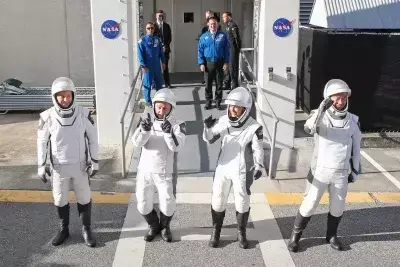
NASA has made the extraordinary decision to prematurely conclude a mission to the International Space Station (ISS) due to a significant health issue affecting one of its astronauts. This unexpected development will see all four members of the Crew-11 mission return to Earth over a month sooner than originally planned. The agency's administrator, Jared Isaacman, confirmed that the crew's return journey is imminent, emphasizing the gravity of the situation.
Unveiling the Undisclosed: Medical Privacy and Mission Impact
While the identity of the affected crew member and the specifics of their medical condition remain confidential, citing health privacy regulations, Isaacman characterized it as a "serious medical condition." This revelation followed NASA's earlier announcement of a "medical concern," which led to the cancellation of a scheduled spacewalk. This spacewalk was intended for astronauts Mike Fincke and Zena Cardman to upgrade the station's power system, a crucial step for the ISS's eventual deorbiting in 2030.
A Historic Precedent: First Early Mission Termination Due to Illness
The Crew-11 mission, comprising two NASA astronauts, a Japanese space agency astronaut, and a Russian cosmonaut, launched from Florida's Kennedy Space Center aboard a SpaceX Crew Dragon capsule on August 1, 2025. Typically, ISS expeditions last between six and eight months. Robert Pearlman, editor of the space history news website collectSpace.com, highlighted the unprecedented nature of this event, noting that in 65 years of human spaceflight, NASA has never before cut short a mission due to an astronaut's illness. While medical issues have arisen in space, none have previously necessitated an early return.
United Front: Leadership's Consensus on Crew Safety
The decision to bring the entire crew back was a collaborative effort, involving extensive input from NASA leadership and the flight surgeons dedicated to the crew's health. The paramount consideration throughout this process has been the safety and well-being of the astronaut, underscoring NASA's unwavering commitment to its personnel.
Preparedness in the Face of the Unforeseen: Training for Medical Evacuations
Paul Dye, a former flight controller with experience on both the space shuttle and ISS missions, affirmed that crew safety always takes precedence over mission objectives. He stated that if returning home is the only option to ensure safety, it must be pursued. Dye also pointed out that while a medical evacuation of a crew has never been executed, the teams regularly train for such contingencies, ingraining a "mental muscle memory" for critical situations.
Operational Challenges: Impact on Space Station Activities
The departure of the Crew-11 members will reduce the ISS population to just three individuals, including two cosmonauts and a NASA astronaut from a previous Soyuz mission. This reduced crew size will inevitably affect station operations. Don Platt, a professor at Florida Tech and former ISS engineer, expressed concern, stating that the remaining crew would likely need to focus primarily on maintaining the station and performing essential maintenance, potentially postponing many scientific endeavors until the next SpaceX crew arrives in February.
Robust Medical Support: Ensuring Health in Microgravity
The continuous human presence on the ISS since 2000, without a major medical incident necessitating early return until now, speaks volumes about the rigorous training astronauts and cosmonauts undergo. Retired NASA astronaut Nicole Stott, who spent over three months on the station, emphasized the comprehensive medical training and resources available. This includes specialized first aid equipment for microgravity, surgical tools, a wide array of pharmaceutical treatments, and even dental instruments. With strong communication channels to ground teams and flight surgeons, astronauts are well-equipped to manage various medical situations with expert guidance.
