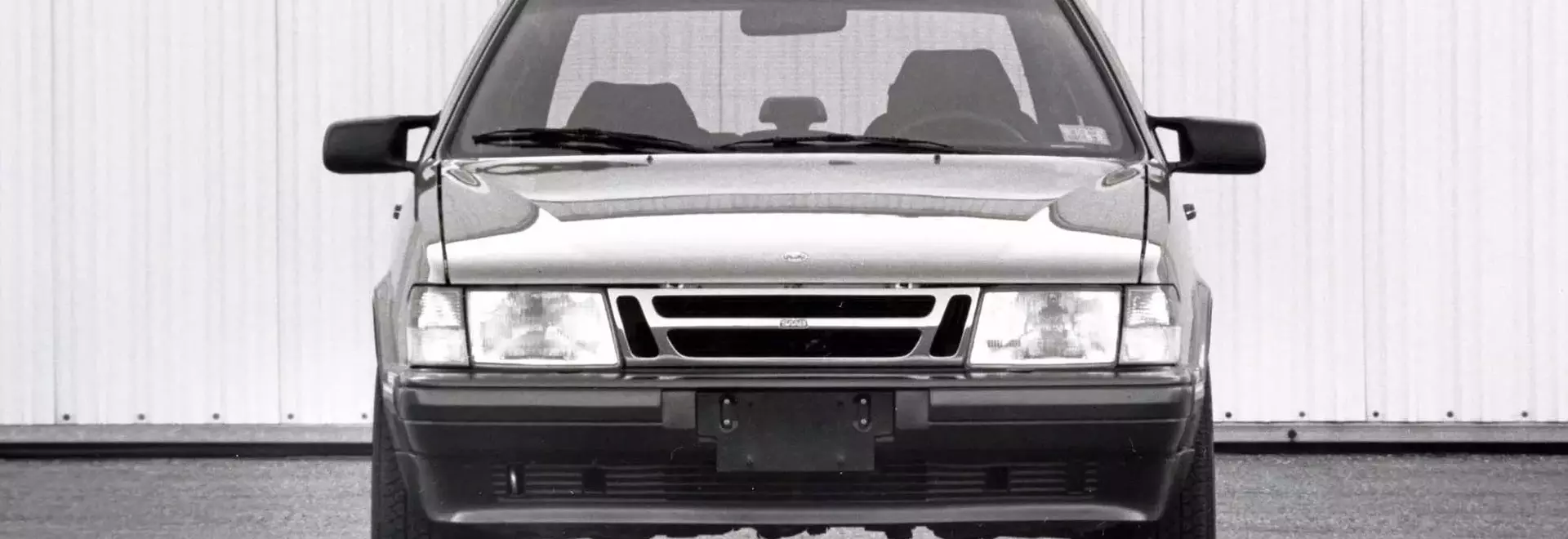
The 1987 Saab 9000S: A Closer Look at Saab's Non-Turbo Offering
In 1987, Saab introduced the 9000S, a model that, despite its later arrival, aimed to broaden the appeal of the 9000 series beyond the high-performance Turbo variant. Unlike the Turbo, which debuted with a powerful engine, enhanced tires, and a rear spoiler, the 'S' model presented a more economical option, foregoing these aggressive features for a more moderate, naturally aspirated engine. This strategic release by Saab, starting with the premium model and later offering a more accessible version, marked a deviation from typical automotive industry practices. The engine chosen for the 9000S was already a proven performer in the 900 line, a sophisticated four-cylinder unit featuring double overhead cams, sixteen valves, and electronic fuel injection. This powerplant, efficiently integrated into the 9000's sleek, low-drag body, initially gave the Turbo version an impressive combination of speed, practicality, and fuel efficiency, earning it significant accolades and a place on 'Car and Driver's' "Ten Best Cars" list.
Despite its more subdued performance, the 9000S maintained the luxurious interior and exterior styling of its Turbo sibling, distinguished primarily by the absence of a rear spoiler and less aggressive tire specifications. The vehicle was praised for its aesthetically pleasing proportions and clean design, exuding an aerodynamic yet solid appearance. Although sharing a similar wheelbase with its competitors, the 9000S offered superior interior volume and comparable luggage capacity, even surpassing some rivals when its rear seats were folded down. The EPA notably classified the 9000 as a "large car," a testament to its spaciousness among imports. However, some criticisms were leveled at its air conditioning system's occasional quirks and a somewhat noisier cabin compared to the whisper-quiet Audi 5000. Nevertheless, the 9000, in both its S and Turbo forms, was recognized as a comfortable, practical, and modern vehicle.
The primary distinction of the 9000S lay in its performance, which, without the turbocharger and intercooler, saw a reduction in horsepower from 160 to 125. This translated to a noticeably slower acceleration, with the 0 to 60 mph time increasing by over two seconds compared to the Turbo, and a lower top speed. While not inherently slow, the 9000S lacked the exhilarating responsiveness that drivers had come to expect from the Turbo, particularly at lower RPMs. However, it offered other commendable attributes, such as effective wet-weather handling thanks to its Michelin MXV tires, and a surprisingly strong grip on dry surfaces. While the Turbo model's superior power and dynamic capabilities justified its higher price for enthusiasts, the 9000S carved its niche as a capable and comfortable cruiser, particularly adept at highway speeds and gentle curves, demonstrating that a car's worth isn't solely defined by raw power but also by its overall driving experience and value proposition.
Ultimately, the 1987 Saab 9000S, while not matching the raw power of its Turbo counterpart, represented a thoughtful expansion of the 9000 line, offering luxury, space, and solid handling at a more accessible price point. This approach underscored Saab's innovative spirit, demonstrating that excellence in automotive design and engineering can manifest in diverse forms, catering to a broader spectrum of drivers. It highlights the timeless principle that true value is found in the harmonious balance of features, performance, and practicality, resonating with those who appreciate thoughtful design and a confident, comfortable ride over sheer speed.
